





Weight-Loss Apps Sell Access—But Who Is Watching the Muscle?
Weight-loss apps have flooded the market and are trying to get their slice of the obesity market. Think back just 2 years ago it was hard to get GLP-1 access because supply was constrained and further exacerbated by the need for a doctor's prescription. Good old American ingenuity found a way to fix the problem using weight-loss apps as the portal to GLP-1 access. Most of these apps are glorified calorie or side effect trackers with access to GLP-1, but only one has emerged as a complete care system called Health Lives Here, that does more for you and is better for you according to the NFL alumni that created it.
There is a darkside to weight loss that manifests as muscle loss. This can lead to further complications that show up as gastrointestinal distress, pancreatitis, lower metabolism, increased fatigue, and hair loss to name a few. These complications are preventable if patients are monitored properly but the current apps just aren’t structured that way. Their singular purpose is a portal to GLP-1 access. So when choosing a weight loss app it's important to question if you are getting a medical benefit.
This distinction matters. A reminder to inject yourself is just some computer code. But a clinician who can evaluate you, a pharmacy that can fill the order, a laboratory that can monitor relevant biomarkers and a plan to address lean-mass loss begins to resemble healthcare.
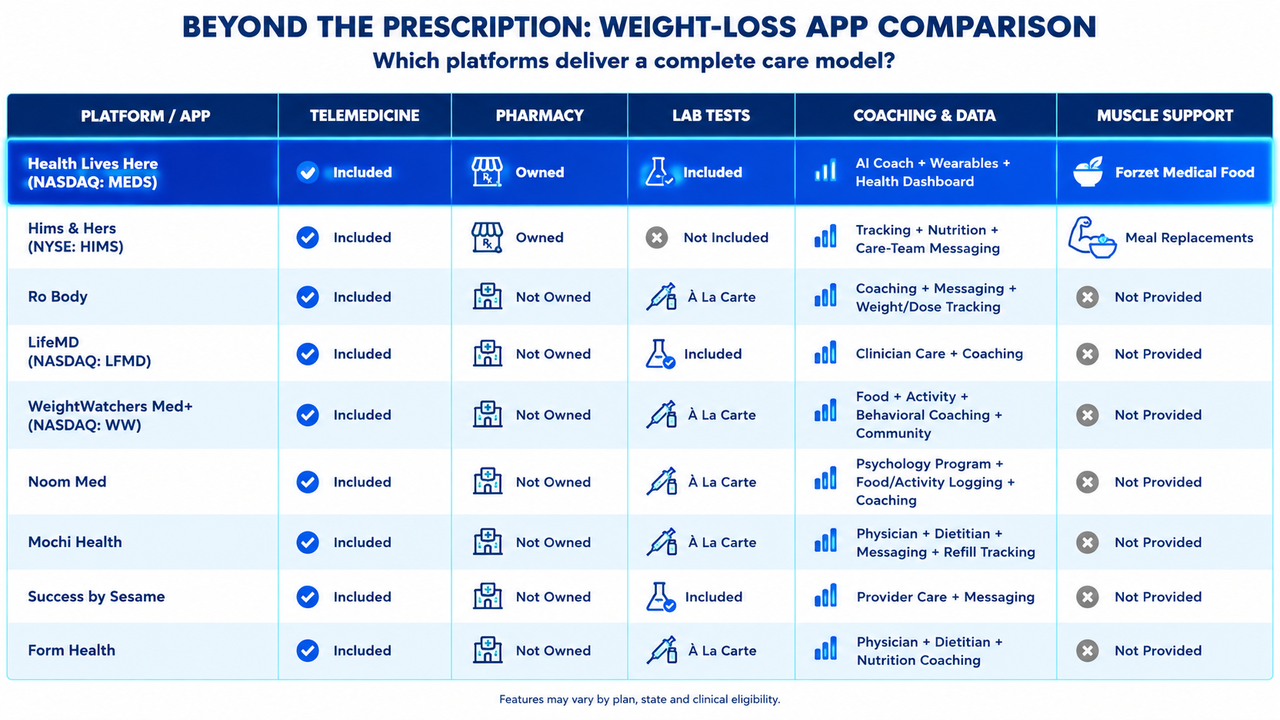
There’s a ton of chatter about weight-loss. Odds are you have seen them broadcasting on every advertising medium possible. This is how Hims & Hers (NYSE: HIMS), Ro Body, Noom, LifeMD (NASDAQ: LFMD) and Weight Watchers (NASDAQ: WW) developed a huge subscription base. What they don’t tell you is that 30% of their revenue goes to an army of digital middlemen. They also have a very highly refined interface that consumers can navigate easily. What the consumers don’t realize is that it's a white label of somebody else’s physician network, somebody else’s laboratory and somebody else’s pharmacy. To gain access to this network you have to pay a fee upfront before you can access the GLP-1’s.
DataMEDS AI has a different approach where they own the infrastructure and that makes up the ecosystem of the app. Health Lives Here combines telehealth, an AI coach, wearables and health-record data. Their pharmacy Corexa supplies the pharmacy and distribution infrastructure. Their acquisition of Helomics entitles them to a CLIA/CAP-certified laboratory asset. If those pieces become operationally integrated, the product is not merely a weight-loss app. It is a vertically connected healthcare workflow targeting the obesity market.
Let’s face reality though, this is a “Build it and they will come” business model going up against incumbents firmly entrenched into the market with brand name recognition. DataMeds AI is just getting rolling in the market and has yet to scale operations but when they do they raise the bar for what consumers are going to want.
Where the Muscle Goes
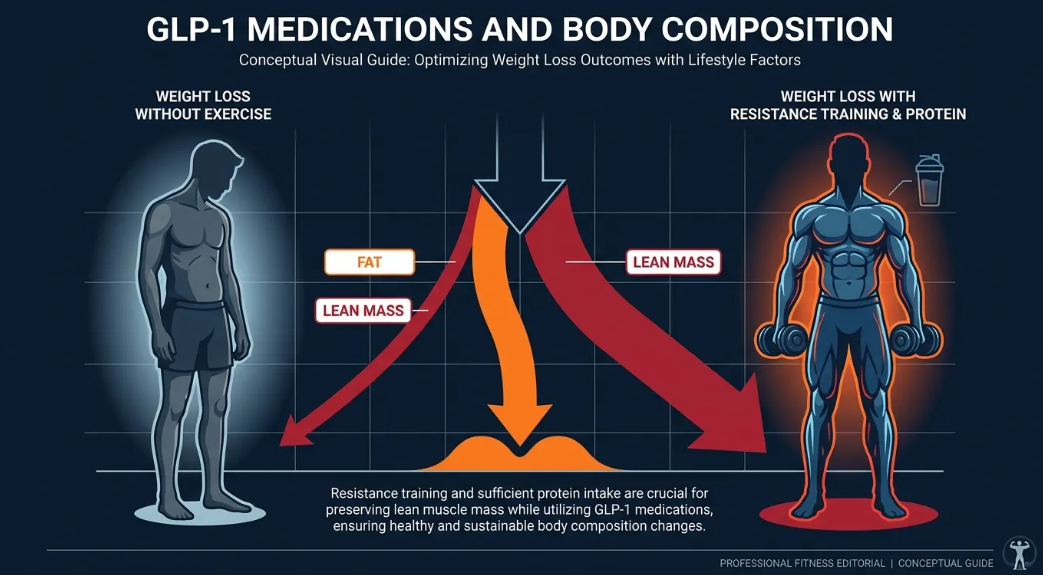
Weight loss is not synonymous with the loss of fat. GLP-1 marketing usually celebrates pounds lost and quietly changes the subject when the composition of those pounds comes up. Weight loss can include lean muscle tissue, which is why several platforms now add protein targets and strength training.
Weight loss measured in pounds isn't necessarily the best measure of success if the body is deprived of protein. Weight loss at the expense of protein intake is not a sustainable/healthy combination. That is the strategic role of Forzet, a medical food intended for the dietary management of muscle loss associated with weight-loss therapy.
Adding muscle is a little more complicated of a concept than just “eating another steak.” Our bodies crave what is known as a dietary protein which is a macronutrient composed of amino acids capable of growing, healing and maintaining our bodies. We get these from the foods we eat and it's digested into amino acids first. The issue we face is that what we eat, whether its plant protein, beef, pork, or chicken is not exactly the optimum protein humans need to maintain muscle. When we get the right amino acids easy to digest and strip out the waste you get Forzet.
Researchers figured out that humans need human proteins but we aren’t cannibals so the next best thing is Myosamin as it contains 95% of the essential amino acids. These amino acids are principally branched-chain amino acids that come in a defined stoichiometric ratio optimized for protein synthesis and mitochondrial biogenesis. This is a fancy way of saying that a targeted blend of essential amino acids may give muscle the raw materials and signal it needs to rebuild without asking the patient to consume an equivalent amount of whole-food protein at that moment.
When we get protein in the form we can process, we need less of it. The idea is that a small amount of a supplement meets the body's craving for protein without the waste.
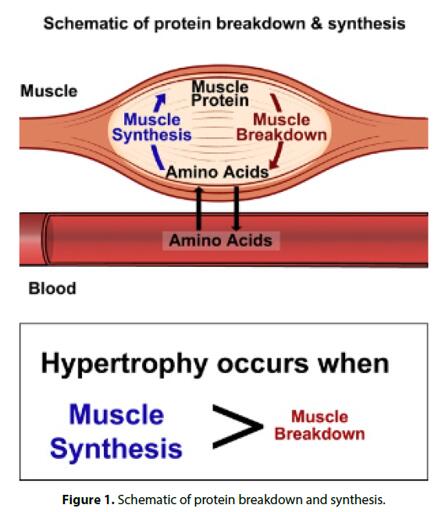
The saying a “little goes a long way” is true in the case of Forzet. Whole animal protein supplies a broad amino-acid package, but the body does not convert every gram directly into new muscle.
How Forzet Works
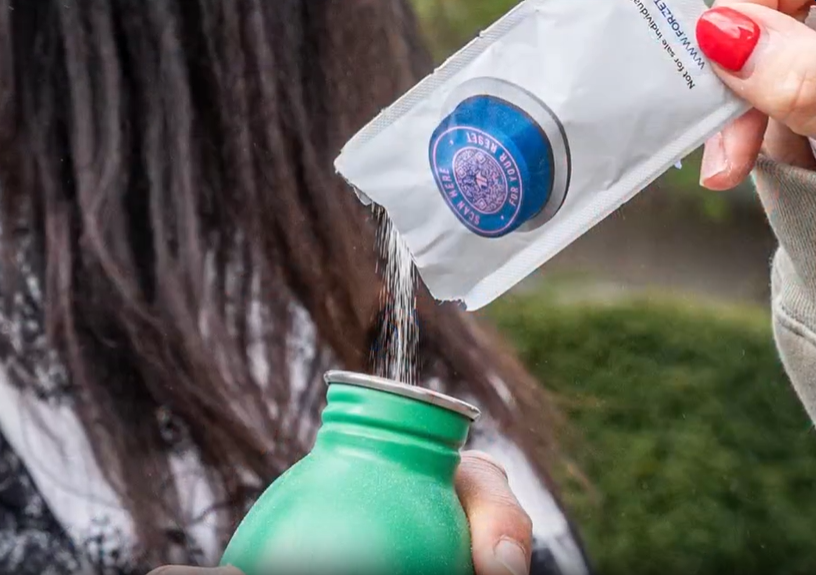
The intended mechanism is straightforward: GLP-1 therapy reduces appetite and energy intake. Weight falls, but lean mass may fall with it. Forzet supplies a compact, free-form essential-amino-acid package intended to support protein synthesis, but it works best with resistance exercise and adequate nutrition.
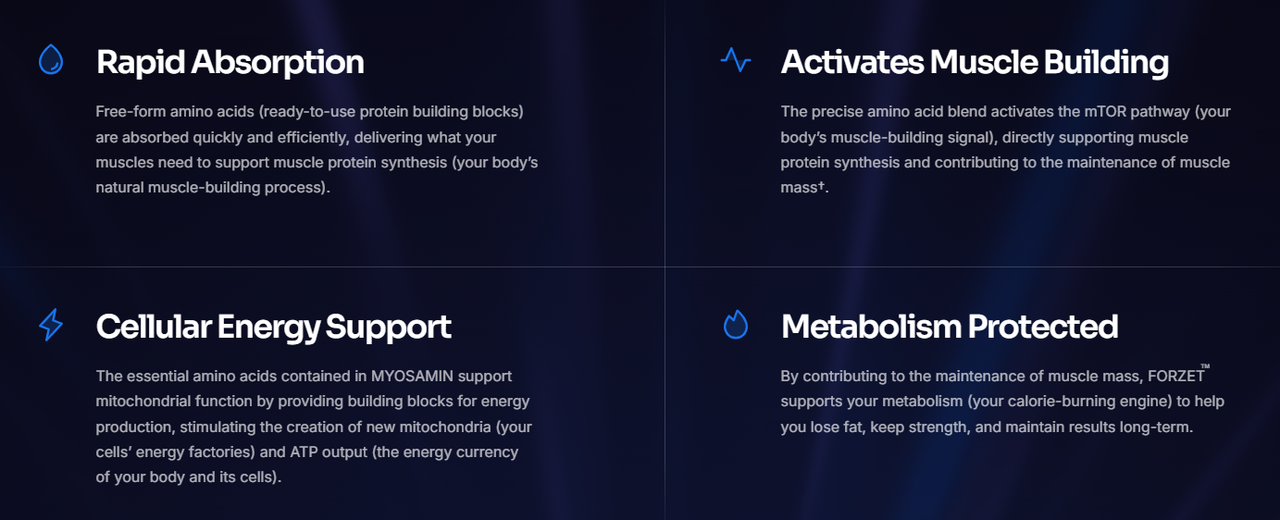
The real differentiator may be efficiency. Patients whose appetite has been sharply reduced may have difficulty eating enough conventional protein. A small-volume amino-acid medical food could be more practical than demanding another chicken breast, protein shake or slab of steak from somebody who is already struggling to finish dinner.
Selecting The Right App for You
The GLP-1 market has already proven that consumers will pay for access. The next phase will determine whether they receive the outcomes they were expecting. Ozempic face is a real outcome that's preventable if you have a healthcare system supporting you.
Hims, Ro, LifeMD, WeightWatchers, Noom, Mochi, Sesame and others have shown that digital distribution can turn obesity treatment into a mass-market subscription business. But the model’s weak point is obvious because an app is not a substitute for healthcare. All the app is really doing is matching a patient to a clinician for a monthly fee.
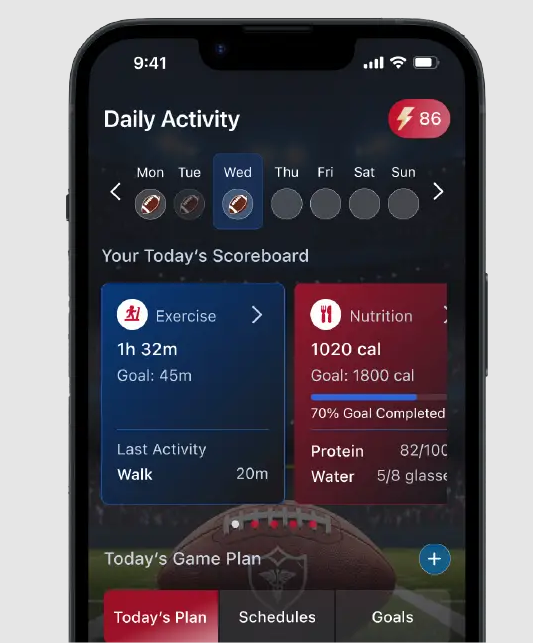
DataMEDS is trying to build a broader value package around the patient using telehealth, pharmacy, laboratory capabilities, health data and a muscle-preservation product to improve patient outcomes. The risks of rapid weight loss are getting more attention and DataMeds AI (NASDAQ: MEDS) seems to be at the right place at the right time to deal with this pressing issue.
From an investors perspective this concept makes it one of the more provocative small-cap companies to move beyond the GLP-1 referral economy into the wellness economy.