


“Very Intentional”: Steve Eisman Thinks Anthropic Is Hiding Something
Submitted by QTR's Fringe Finance
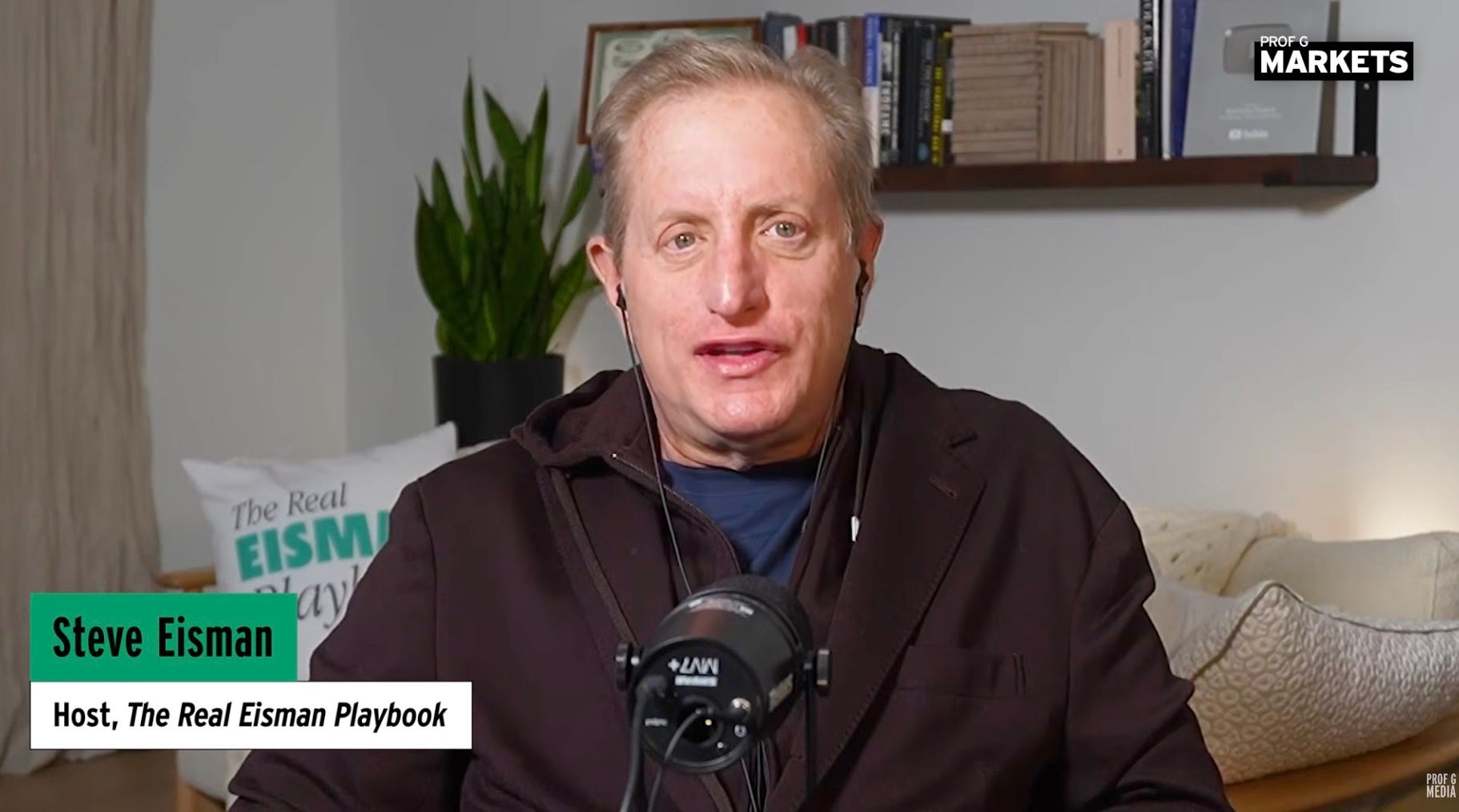
Steve Eisman, the investor made famous by The Big Short for recognizing the subprime mortgage disaster before much of Wall Street, is now accusing Anthropic of deliberately withholding its latest quarterly financial statements from investors ahead of its potentially $2 trillion IPO.
Speaking Wednesday on Prof G Markets, Eisman questioned why Anthropic’s October 26 prospectus contained financial statements only through June, despite more recent information suggesting the company’s explosive growth may already be losing momentum, according to the podcast and Yahoo.
Asked whether he believed the omission was deliberate, Eisman answered: “Only very intentional.”
That’s a pretty serious allegation, particularly coming from somebody whose reputation was built on recognizing financial absurdities that the rest of Wall Street was perfectly content to ignore. And it dovetails almost perfectly with what I’ve been arguing about the AI bubble for months.
On September 29, I published It’s Official: The AI Emperor Has No Clothes, examining Anthropic’s extraordinary losses, its enormous infrastructure commitments, and the growing disconnect between the enthusiasm in AI equities and the warnings emerging from credit markets.
My argument then was that investors were beginning to get their first meaningful look at the financial machinery behind the AI boom, and what they were discovering wasn’t particularly encouraging.
Now Eisman is suggesting that even this picture may be considerably rosier than the company’s latest numbers would indicate.
According to Reuters figures discussed by Eisman, Anthropic’s quarterly revenue growth decelerated from 144% in the second quarter to 45% in the third. That’s still spectacular growth by ordinary standards, but for a company seeking a valuation approaching $2 trillion, a slowdown of that magnitude deserves considerably more scrutiny than it’s getting.
More concerning is the apparent deterioration in the economics of generating that revenue. Eisman says...(READ FULL COLUMN AND WATCH INTERVIEW FREE HERE).