


October Election Surprise Season Is Here!
Authored by Ed Dowd: Beyond the Narrative via Substack,
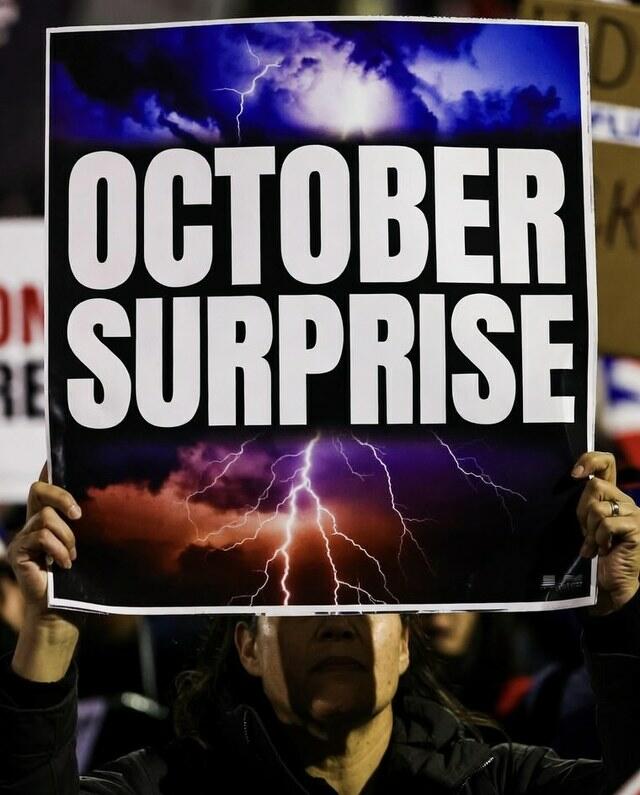
October Surprise Season is back, right on schedule. The phenomenon is simple and well documented. Basically in the final weeks before a high-stakes election, an event, leak, crisis, or carefully timed disclosure appears that is meant to shift momentum, freeze the narrative, or force voters to reassess. The classic modern example remains 1980, when the Iran hostage crisis and the fear of a last minute Carter breakthrough gave the phrase its name. Bill Casey, running Reagan's campaign, used the term explicitly.
Decades later the pattern repeats with variations:
· George W. Bush's 1976 DUI surfacing days before the 2000 election
· The Trump Access Hollywood tape and the late Clinton email revelations in 2016
· Hurricane Sandy in October 2012 and Obama's response was positive for his campaign
· Assorted foreign policy or scandal drops that dominate cable and social media for 72 hours
The common thread is timing. With early voting, mail-in ballots, and compressed news cycles, an October event has maximum leverage and minimal time for full scrutiny or counter narratives. Whether organic or engineered, the incentives favor dramatic movement right before ballots are finalized.
Informal X Poll
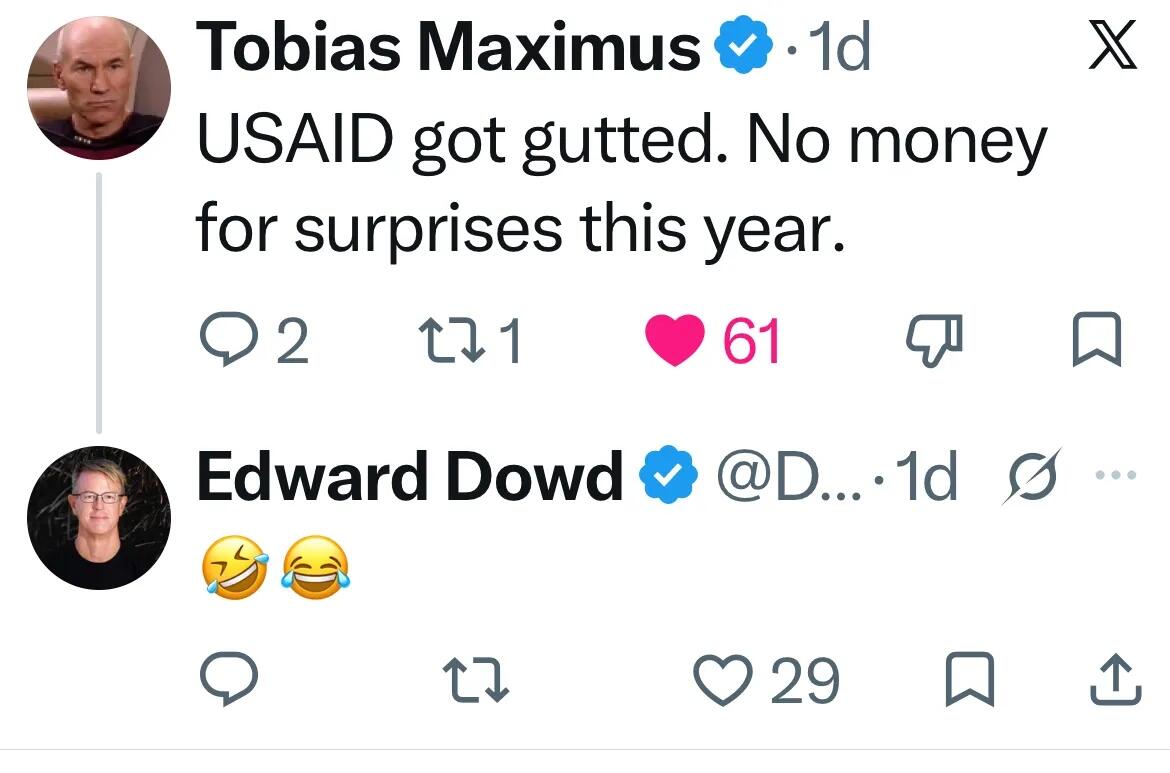
On Tuesday October 20th I asked my X followers a direct question: two weeks until the midterms, so what will be the October surprise? The replies clustered around a few themes. One high-engagement response noted that USAID had been gutted and therefore "no money for surprises this year." I found that response quite humorous.
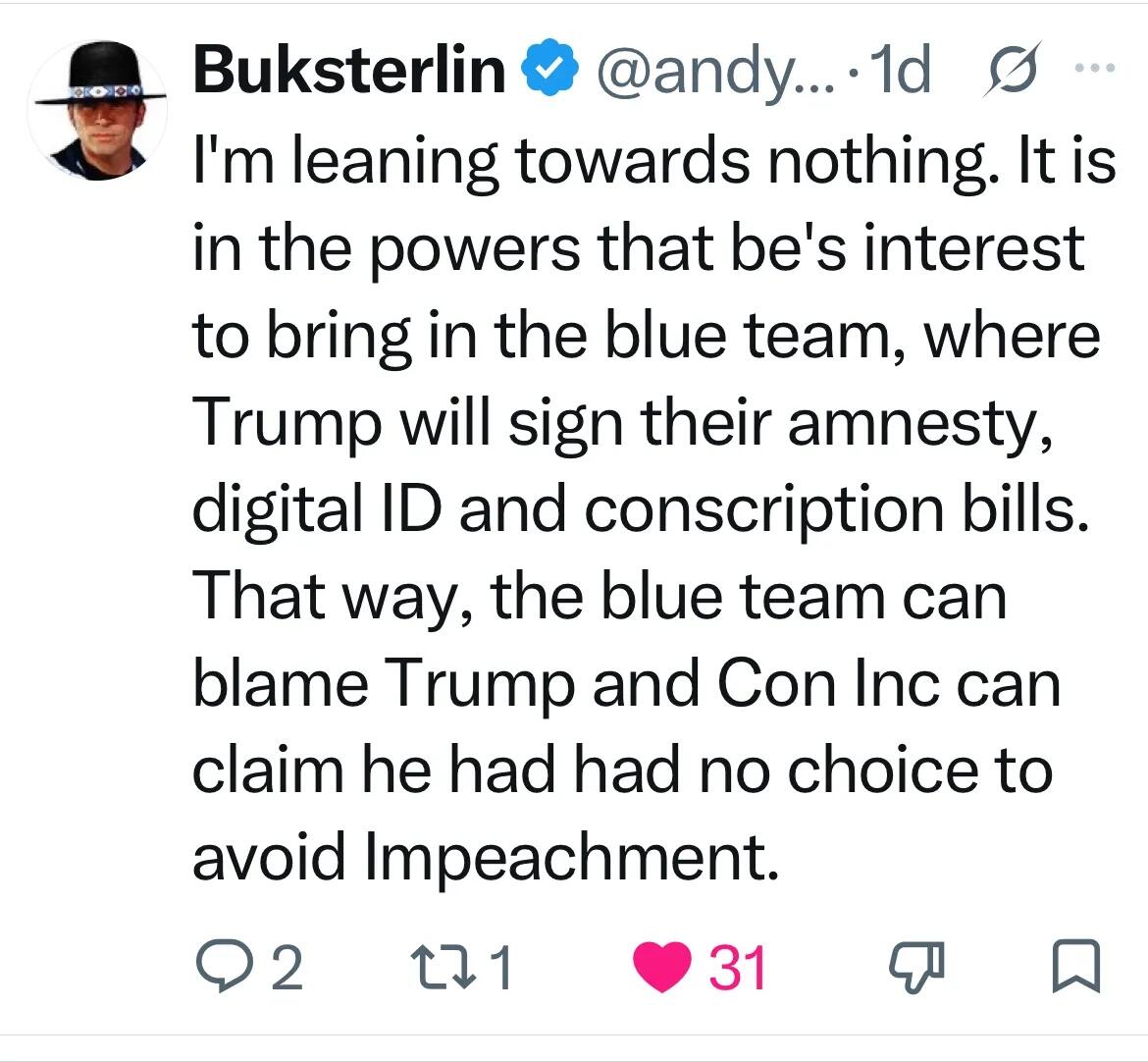
Another leaned toward nothing at all, arguing that the institutional interests prefer a blue team outcome so certain legislation (amnesty, digital ID, conscription) can pass with Trump's signature and the political blame can be shared...essentially a uniparty viewpoint.
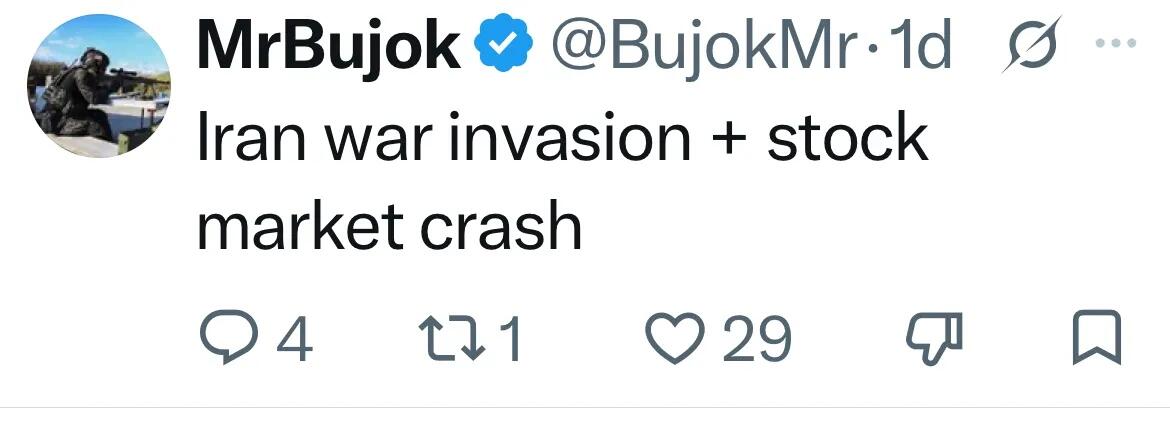
A third predicted an Iran war escalation paired with a stock-market crash. Cyberattack scenarios, grid disruptions, and stock market rug-pulls also appeared repeatedly.
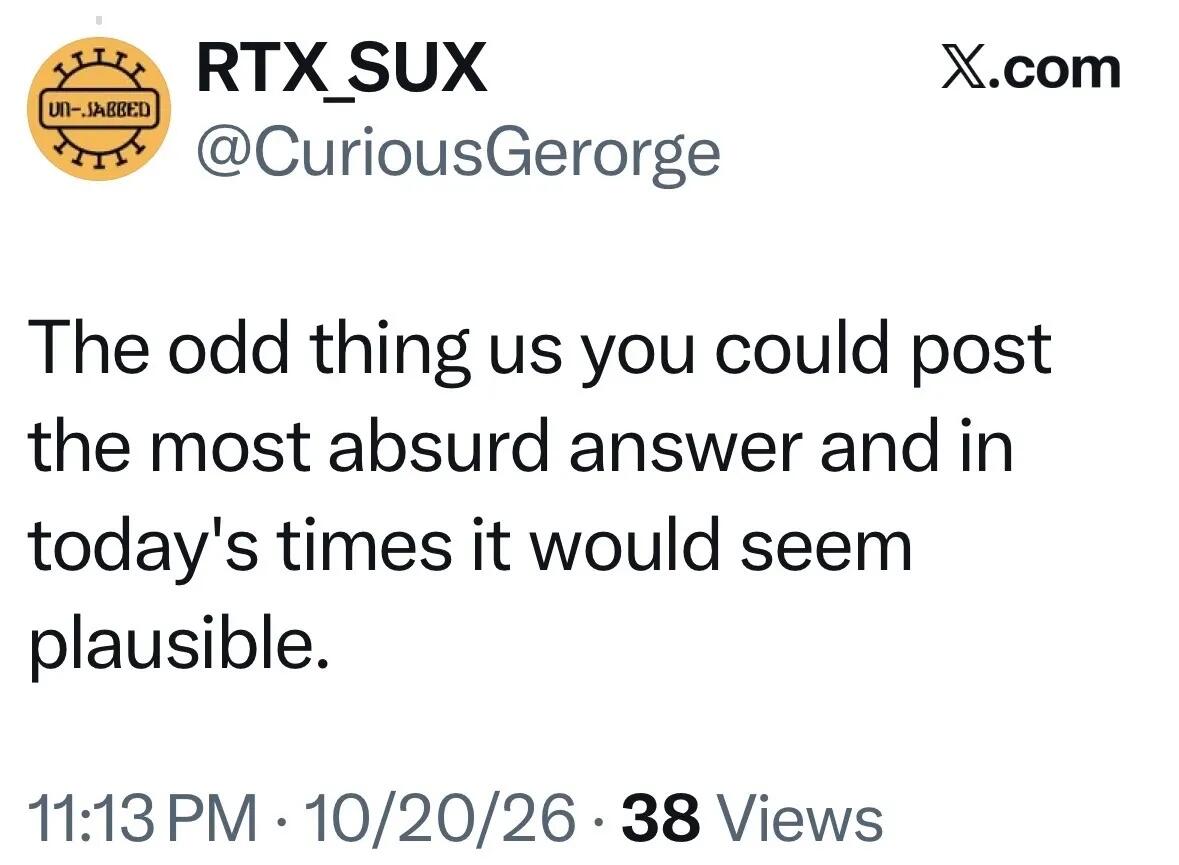
A forth expressed the feeling among many that you could post almost any absurd answer and it would seem plausible...a sign of the times.
The distribution was telling as relatively few expected a classic personal scandal or policy announcement that would clearly favor one side. More people expected either controlled chaos or deliberate inaction designed to produce a specific legislative or institutional result.
Well Timed NSA Cyber Security Alert
Yesterday the NSA issued a rare public cyber security alert. Organizations running PHP, the language powering an estimated 70 percent of websites, were told to prepare for updates addressing two critical vulnerabilities or take systems offline until mitigated. The flaws, reportedly identified with the assistance of frontier AI models from OpenAI's Patch the Planet effort and independently by Wiz, can provide a direct path to a server's file system or database. OpenAI described the issue as one of the most impactful in recent memory; patches were released the same day, and multiple governments echoed the urgency. The alert itself is legitimate on its face as PHP is foundational infrastructure. The timing is what stands out. Midterms are thirteen days away. Election administration, poll-book systems, voter-registration portals, and related state and local web applications are not immune to the same underlying technology stack. If unpatched or poorly patched systems are present in any voting-related infrastructure, the window for exploitation is now open. Even if the immediate risk is limited, the episode supplies a ready-made explanation for later anomalies: "cyber incident," "system offline for security," "delayed tabulation." History shows that once such an explanation exists, institutional actors have strong incentives to use it.
Potential Positive Trump Administration Surprises
Positive surprises for the incumbent side are also possible and would follow the same October logic. A credible framework that ends or freezes the Ukraine conflict, or a de-escalation agreement with Iran that reopens the Strait of Hormuz and stabilizes energy prices, would be classic late election cycle good news. Both theaters have already produced significant market and political volatility. A sudden diplomatic breakthrough that can be framed as "peace through strength" would dominate coverage, potentially shift polling among independents, and complicate Democratic messaging on foreign policy and inflation. Whether such deals materialize depends on counterparties who do not answer to U.S. election calendars, but the political incentive to announce progress is obvious and well understood by every administration.
Bottom Line: Post-Election Day Questions May Be The Surprise
The more durable issue, however, sits after Election Day. Mail-in and early voting volumes remain elevated in key jurisdictions. Statistical anomalies in the timing and distribution of ballots have been documented in prior cycles and have not been fully resolved to the satisfaction of large segments of the electorate. Chain-of-custody gaps, observer access limitations, and the continued use of systems whose source code and operational procedures are not fully transparent create legitimate questions about final tallies. I personally believe the system is broken and not secure from fraud. A cyber alert thirteen days out does not resolve those questions rather it potentially expands the set of post-election explanations available to whichever side loses. In that environment, the legitimacy of the reported results and the willingness of institutions and the public to accept them will matter more than whatever headline arrives between now and November 3. The October surprise, if it comes, will be noisy. The quieter and more consequential question is whether the post-election count can be shown, with evidence, to reflect the actual votes cast. That standard has not been consistently met in recent cycles, and the current technical and procedural environment does not make it more likely. Post election mayhem is my personal odds-on favorite.
"There is a time for everything, and a season for every activity under the heavens." Ecclesiastes 3:1