




Sponsored Content
Cannabix Technologies Inc. (OTC: BLOZF) Has Spent a Decade Building What Law Enforcement and Employers Desperately Need — And Just Commercially Launched It
A Peer-Reviewed THC Breath Test. A Commercial Rollout Underway as of March 2026. A Sub-US$50 Million Valuation. The Window May Be Closing.
Summary
After ten years of intensive R&D, Cannabix Technologies Inc. (OTC: BLOZF) has achieved what the forensic science community long considered impractical: a reliable, non-invasive marijuana breath test that detects recent THC consumption within a one-to-four-hour window of peak impairment. In March 2026, the company crossed a threshold that most development-stage competitors have never approached — it began commercial deliveries.
On March 16, 2026, Cannabix formally announced the commencement of its commercial phased rollout of the Marijuana Breath Test (MBT) system, including delivery of MBT units to select customers across multiple industries. That announcement followed closely on the heels of a peer-reviewed study published in the Journal of Analytical Toxicology (JAT) — the official journal of both the Society of Forensic Toxicologists and The International Association of Forensic Toxicologists — independently validating the MBT system's ability to detect delta-9 THC in breath. This is the gold standard in forensic toxicology.
The regulatory vacuum this technology fills is immense. Cannabis is now legal in 38 U.S. states. Germany completed full legalization in 2024. California already bans urine-based THC testing for employers. Yet every jurisdiction in the world still lacks a commercially viable, scientifically validated breath-based standard for recent THC use — until now.
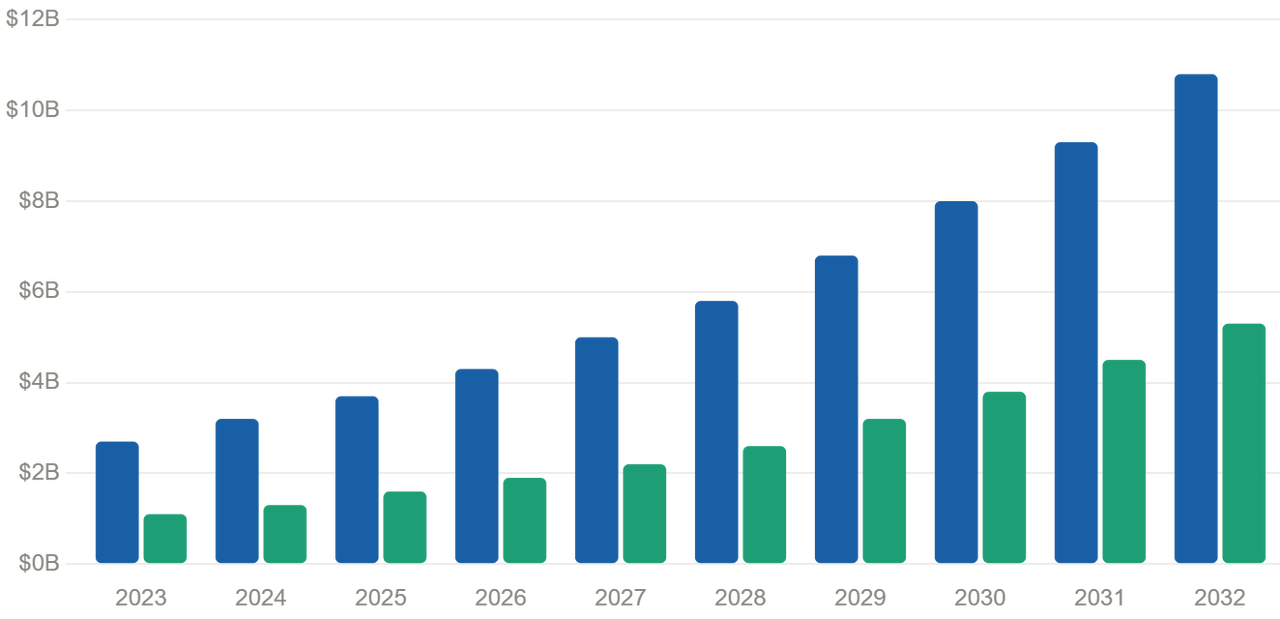
The global breathalyzer market is projected to grow from US$2.7 billion to US$10.9 billion by 2032. Cannabix's MBT and companion BreathLogix alcohol system position the company across both markets. At a market capitalization below US$50 million with approximately 122 million shares outstanding, BLOZF offers significant speculative upside as it transitions from validated R&D into active commercial deployment.
The Testing Gap
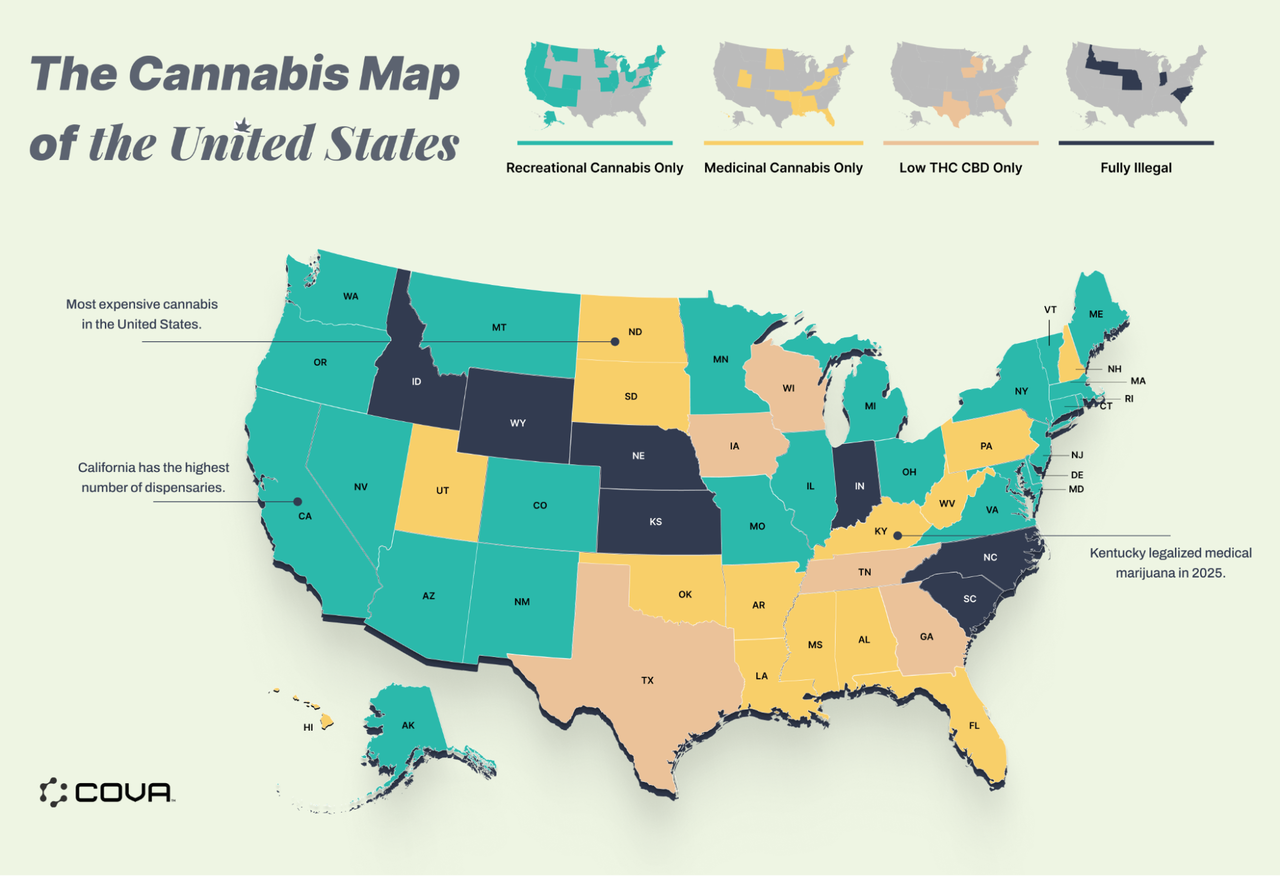
Cannabis consumption is now legal in 38 U.S. states, 24 of which permit recreational use. Germany completed full legalization in 2024, with other EU nations expected to follow. But as legalization expands, a dangerous gap has emerged: there is no widely available, scientifically validated breath test for recent THC impairment.
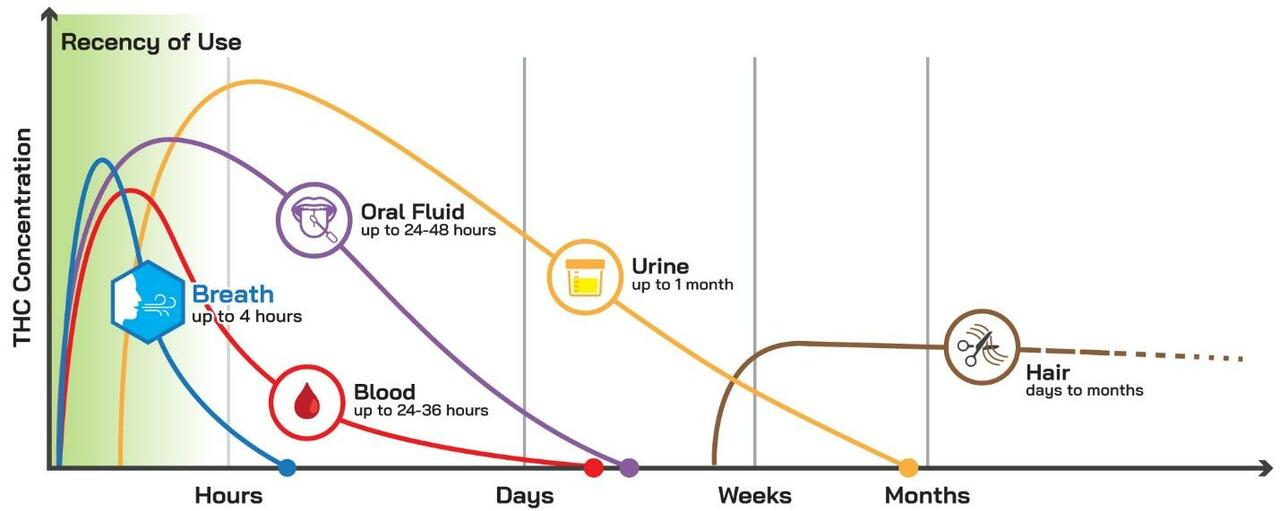
The statistics illustrate the urgency. Over 40% of U.S. traffic fatalities show THC in the blood. An extraordinary 84.8% of cannabis consumers report driving on the same day they consume. Current detection methods — urine, blood, oral fluid, hair — can identify whether a person has consumed THC in the past days, weeks, or even months, but none can reliably determine whether that person is actually impaired at the time of testing.
THC in Breath - Superior detection window
California has already acted. Under AB2188, which took effect in 2024, employers are prohibited from testing employees for THC via urine. Other states are expected to follow. The legal and liability framework is shifting in ways that demand a new solution — and the MBT is that solution.
The science behind THC breath testing explains why no commercially viable solution existed until now. THC is fat-soluble, meaning it stores in fatty tissues and remains detectable long after any impairing effects have worn off. In exhaled breath, THC exists at extraordinarily low concentrations — measured in picograms per liter, or trillionths of a gram — and does not easily evaporate into a capturable gas form. Alcohol, by contrast, metabolizes on predictable timelines and readily converts to gas, making alcohol breathalyzers a comparatively straightforward engineering challenge. That is the problem Cannabix spent ten years solving. It has now solved it.
The Commercial Launch: March 2026
On March 16, 2026, Cannabix announced the formal commencement of its commercial phased rollout of the MBT system. This is not a pilot program or a letter of intent — it is active delivery of MBT units to select commercial customers across multiple industries, followed by a planned scale-up in production.
The commercial launch did not happen overnight. Over recent months, Cannabix and its partners completed an extensive set of pre-launch milestones to ensure the system was ready for real-world deployment:
• Key hardware enhancements to the Breath Collection Unit (BCU) and Breath Cartridges, along with an initial validation package prepared by Omega Laboratories.
• Full integration of Cannabix Breath Cartridges into Omega's operational workflows, including chain of custody processes and electronic reporting through its Laboratory Information Management System (LIMS).
• Established manufacturing procedures and partnerships, standard operating procedures, and QA/QC processes for MBT hardware.
• The BCU successfully passed FCC electronic emissions testing — a regulatory prerequisite for commercial deployment in the United States.
• Pre-launch marketing initiatives conducted with Omega (Ohio) and AlcoPro (Knoxville, TN), expanding the commercial distribution network.
• Preparation of end-user training materials, logistics planning, and customer support infrastructure.
• Publication of the peer-reviewed Journal of Analytical Toxicology study in March 2026, providing the scientific evidentiary foundation for commercial adoption.
The commercial revenue model is straightforward and recurring: the handheld BCU serves as the required hardware for all deployments, while disposable Breath Cartridges generate ongoing revenue with every test performed. Every new customer represents not a one-time sale, but a recurring revenue stream tied directly to usage volume.
The Science: Peer-Reviewed Validation
In early March 2026, an independent peer-reviewed publication in the Journal of Analytical Toxicology became publicly available, confirming the MBT system's ability to detect delta-9 THC in breath. The study, titled "Simultaneous Analysis of Δ9-THC, Δ8-THC, CBD, and CBN in Breath Aerosols Collected Using Cannabix Technologies Breath Collection Unit," was published jointly by Cannabix and laboratory partner Omega Laboratories of Ohio.
Publication in JAT — the foremost peer-reviewed journal in forensic toxicology — means the research passed the most rigorous scientific scrutiny in the field. Key findings include:
• Multi-cannabinoid detection (Δ9-THC, Δ8-THC, CBD, and CBN) from a single breath sample.
• A validated method that is quicker and simpler than previous approaches while achieving improved sensitivity.
• Confirmation that breath cartridges remain stable for several days during shipping — critical for real-world logistics.
• THC concentration-versus-time trends from breath that correlate with those previously reported from blood.
Bill Corl, CEO of Omega Laboratories, stated that the publication reinforces the effectiveness of using breath to detect recent drug use and demonstrates Omega's expertise in forensic toxicology. Rav Mlait, CEO of Cannabix, described the JAT publication as a significant milestone for the company and its shareholders.
How the System Works
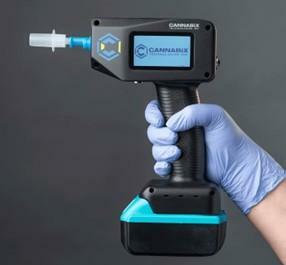
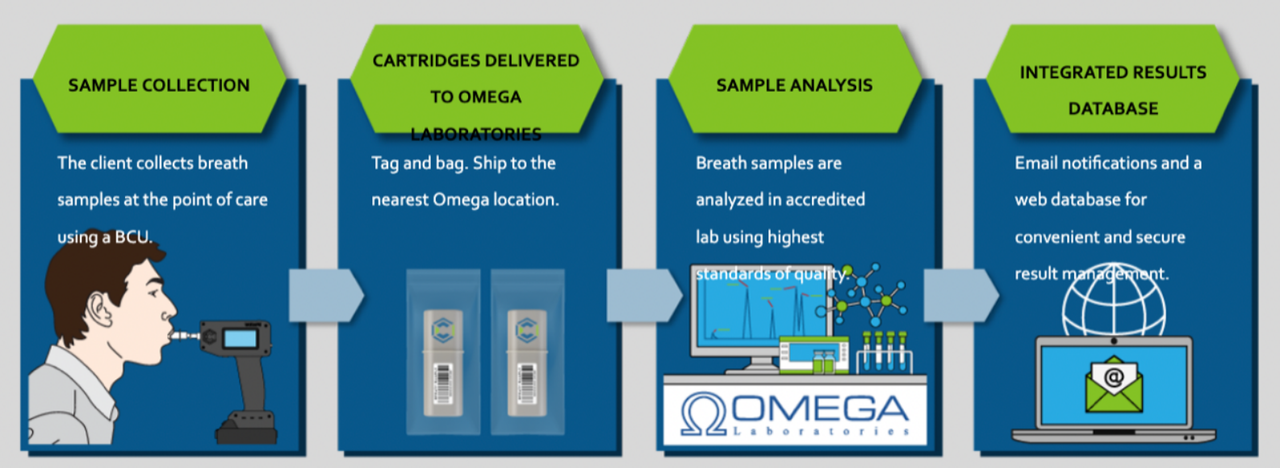
The Cannabix MBT system uses a patented, portable Breath Collection Unit (BCU) that collects an ambient air sample followed by simultaneous A and B breath samples via the Breath Cartridge. Omega screens the A sample using LC-MS/MS (liquid chromatography-mass spectrometry); if presumptively positive, the B sample is confirmed. The ambient air sample rules out environmental contamination — a rigorous forensic chain-of-custody approach that mirrors established alcohol testing protocols.
The system detects delta-9 THC at levels above 5 pg/L within approximately four hours of consumption — the window most closely aligned with peak impairment. Results are typically available within 24-48 hours and retrieved digitally via a cloud platform with a secure, traceable chain of custody.
Cannabix's strategic partnership with Omega Laboratories — a global leader in forensic drug testing for over 25 years, holding multiple federal and international certifications — provides immediate access to an established commercial testing infrastructure serving 6,000 clients worldwide. The addition of AlcoPro (Knoxville, TN) as a pre-launch marketing partner further broadens the distribution reach into safety-sensitive industries.
BreathLogix: A Second Product for the Established Alcohol Market
Cannabix is also commercializing BreathLogix, an autonomous, contactless alcohol breath testing system designed for mass deployment. The system requires no staff to administer: the subject stands in front of the device and exhales. Photo identity matching, real-time cloud data, SMS alerts, and calibration status are built in. Patented interchangeable sensor cartridges keep operating costs low.
The economic model mirrors the MBT: hardware purchased once, recurring revenue flowing through disposable cartridges and cloud services. Target markets include safety-sensitive employers across transport, construction, logistics, and airlines, as well as event organizers and government authorities. With MBT and BreathLogix together, Cannabix addresses both the emerging cannabis and established alcohol impairment detection markets.
Five Reasons Cannabix Technologies Should Be on Your Watchlist
1. The Commercial Launch Has Arrived
The March 2026 commercial rollout announcement removes the single largest risk that has historically hung over development-stage medical device and diagnostics companies: the question of whether the product will ever ship. It is shipping. Units are in customers' hands. The FCC has cleared the BCU for U.S. deployment. Manufacturing procedures are established. The transition from development-stage company to commercial-stage company has begun — and the market has not yet fully priced that distinction.
2. Peer-Reviewed Scientific Validation Changes the Competitive Landscape
Publication in the Journal of Analytical Toxicology is the gold standard in forensic toxicology. It opens doors with law enforcement agencies, corporate clients, and regulators that marketing spend alone cannot replicate — and it cannot be quickly duplicated by a competitor. The Omega Laboratories partnership, built over more than two years of intensive collaborative development, provides a ready-made commercial distribution channel: Omega serves 6,000 clients worldwide, holds ANAB/CLIA accreditation, and has publicly stated its confidence in the reliability and accuracy of the THC breath test system.
3. A Vast, Underserved Market With First-Mover Advantage and Regulatory Tailwinds
The global breathalyzer market totaled US$2.7 billion in 2023 and is projected to exceed US$10.9 billion by 2032, growing at 16.7% annually. The cannabis testing market alone is projected to surpass US$5 billion. No commercially viable THC breathalyzer system currently exists at scale. California's AB2188, Germany's 2024 legalization, and the total absence of any breath-based THC standard worldwide are creating a regulatory vacuum that will be filled by whoever delivers validated technology first. Cannabix is now delivering.
4. Recurring Revenue Model With Dual Product Lines
Manufacturing of BCUs and Breath Collection Kits is actively ramping. Commercial deliveries have commenced. The BreathLogix alcohol system adds a second product line with the same recurring-revenue cartridge-and-cloud model. Every test performed by every customer generates consumable revenue. This is not a one-time hardware sale; it is a growing annuity tied directly to the expanding universe of employers, law enforcement agencies, and safety-sensitive industries that need impairment detection.
5. Significant Valuation Upside Relative to the Opportunity
At a market capitalization below US$50 million with approximately 122 million shares outstanding, Cannabix is priced as a development-stage company even as it enters active commercial deployment. Comparable MedTech and diagnostics companies with similar technological depth but without product validation are often valued at US$100-300 million. Breath test providers with scalable cloud revenues have attracted valuations exceeding US$500 million. The gap between where the science now stands, where the commercial rollout now stands, and where the market has priced it — that is the opportunity.