




Sponsored Content
Europe Is Building AI Too, But On Different Terms
When it comes to AI infrastructure, the U.S. is still the center of gravity. Big Tech is expected to pour roughly $650 billion into AI-related infrastructure in 2026, and most hyperscale bets are still overwhelmingly American. Europe is not winning on scale, nor is it trying to. What it is doing is building toward a different model. The EU’s AI Continent Action Plan explicitly calls for tripling the bloc’s data-center capacity over the next five to seven years, while prioritizing sustainable facilities and a new Cloud and AI Development Act to support more local infrastructure.
That difference matters. Europe’s push seems to focus more on who controls the infrastructure, where the data sits, and whether critical workloads can be kept within its borders. European demand for locally based digital services has been rising as governments and enterprises pushed “digital sovereignty.”
Europe remains a highly regulated environment that is not always considered a top pick for power-hungry projects. But at the same time, if Europe is going to build more compute, it is likely to reward infrastructure that looks strategic, secure, and politically favorable rather than just large.
Bitdeer’s footprint in North America is considerable. In its latest operating update, the company listed 563 MW online in Rockdale, Texas, 121 MW online in Massillon, Ohio, 570 MW under contract in Clarington, 300 MW in development at Niles, Ohio, additional conversion work in Knoxville, Tennessee, and Wenatchee, Washington, plus more Rockdale expansion in planning. But Europe is clearly part of the company’s diversification strategy. Bitdeer is converting its facility in Tydal, Norway into a 180 MW AI data center designed primarily for the colocation of Nvidia Vera Rubin systems, with an anticipated completion date of December 2026.
Tydal did not begin as a generic AI project. It started as Bitcoin mining site and is now being converted into facility Europe is more likely to value. Bitdeer’s Bitcoin engine is still doing the heavy lifting: the company reported 661 BTC mined in March (+480% YoY), about 69.5 EH/s of self-mining hash rate (+504% YoY), and 78.1 EH/s under management.
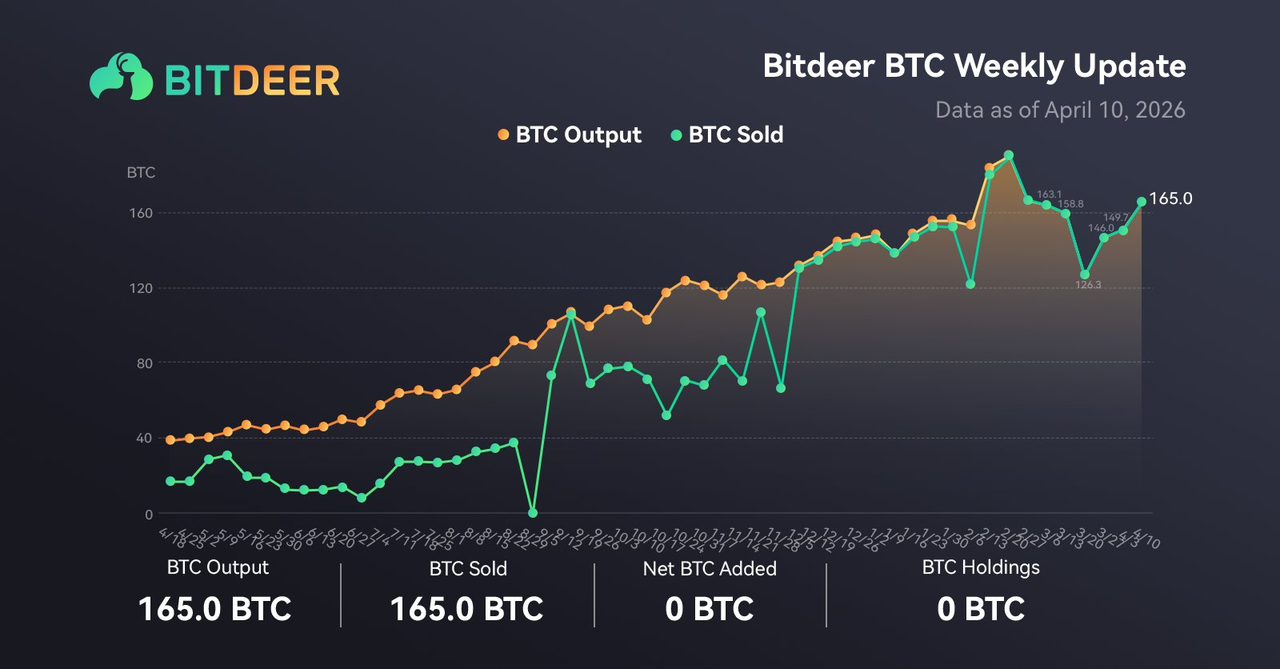
Bitdeer’s AI Cloud business also keeps growing, with roughly $43 million in ARR, 2,128 GPUs deployed, and 94% utilization rate. The three-part model is clear: Bitcoin pays for the machine room and keeps the infrastructure monetized; AI Cloud captures immediate demand; colocation is the route to larger, long-term contracts.
Bitdeer has become the largest public bitcoin miner by operating hashrate. That makes the Norway move more notable, because it’s using mining-built infrastructure to chase a second, more stable revenue stack. And it’s doing that in a geographically diversified way.
The U.S. remains a global leader when it comes to AI and HPC buildout, and this will probably continue for the foreseeable future. U.S. electricity demand is projected to hit new records, driven in large part by AI and crypto data centers. But different jurisdictions will inevitably end up favoring different infrastructure models. America builds faster and bigger. Europe may place a higher premium on domestic control, allied hosting, secure procurement, and tighter power discipline. If that happens, AI infrastructure will not converge on one global template. It will split into regional versions. And that is exactly why Norway is worth watching.