




Sponsored Content
FIRST HANTAVIRUS, NOW EBOLA: THEY WANT YOU SCARED
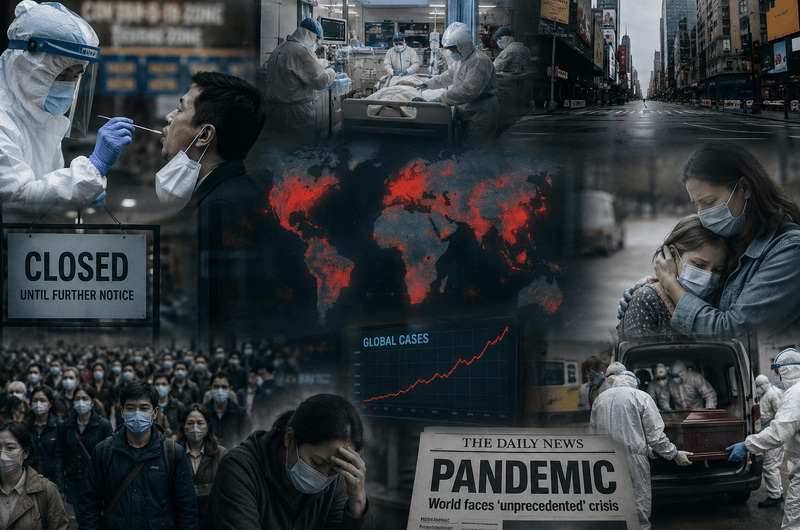
First we were treated to nonstop legacy media coverage of a cruise ship stricken with the deadly hantavirus. Hantavirus, with its 40% mortality rate and an incubation period lasting for weeks, made the perfect plandemic boogey man. With some of the initial fears about the human-to-human spread of hantavirus beginning to subside, we are now being treated to a new plandemic scare: Ebola.
When it comes to a horrifying pandemic, few are scarier than Ebola. COVID looks like a bad joke compared to the mortality rates associated with Ebola, and – apparently – we are looking at another potential Ebola outbreak:
Congo will open three Ebola treatment centers in the eastern Ituri province, and the World Health Organization is sending a team of experts to the country, following an outbreak of a rare type of the virus that has killed more than 110 people.
An American doctor in Congo is among the newly confirmed cases of the virus with no approved vaccines or medicines, Congolese officials said Monday, as details emerged about the government’s delayed response to the outbreak.
The WHO on Sunday declared the Ebola outbreak a public health emergency of international concern. As of Monday, there were over 118 deaths and 300 suspected cases in Ituri and North Kivu provinces, and one death and one suspected case in neighboring Uganda. Experts say the number of cases is likely to rise as health officials conduct more surveillance.
The globalists, who never let a potential pandemic go to waste, are already using the threat of these two new pandemics to demand more resources and power get funneled to the global healthcare bureaucracies:
In Geneva, Prof Matthew Kavanagh, director of the Georgetown University Center for Global Health Policy & Politics, said aid cuts may have played a role in leaving the world “playing catch-up against a very dangerous pathogen”.
He said: “Because early tests looked for the wrong strain of Ebola, we got false negatives and lost weeks of response time. By the time the alarm was raised, the virus had already moved along major transport routes and crossed borders.
“This crisis didn’t happen in a vacuum. When you pull billions out of the WHO and dismantle frontline USAID programmes, you gut the exact surveillance system meant to catch these viruses early. We are seeing the direct, deadly consequences of treating global health security as an optional expense.”
After failing to get a global pandemic treaty in the wake of the COVID-19 pandemic, a treaty that would have ceded unprecedented power to unelected global healthcare elites, the globalists are now clamoring for a new “independent” entity to monitor and respond to global pandemics:
Countries failed to meet a deadline to finalise the pandemic agreement treaty before this week’s World Health Assembly in Geneva, after disagreements over guarantees of access to medical tests, vaccines and treatments in exchange for sharing information on any pathogens emerging on their territories.
The GPMB called on political leaders to establish a permanent, independent monitoring mechanism to track pandemic risk, conclude the pandemic agreement to ensure equitable access to vaccines, diagnostic tests and medicines, and put in place financing to secure preparedness and immediate responses to outbreaks.
Should We Be Concerned?
It is starting to feel an awful lot like the globalists are hell bent on another pandemic or, at the very least, to frighten us into believing that we are on the verge of another pandemic – even if we aren’t.
After the COVID-19 pandemic, we know a couple of things for sure. First, the globalists will do anything to amass and keep power – even if it means unleashing a pandemic or a dangerous experimental vaccine on the world.
Second, and more importantly, we know that fear is their greatest weapon – a weapon far more effective than any virus. It was fear that led to Americans willing sacrificing their freedoms and their liberties, to allow politicians and healthcare bureaucrats to impose draconian lockdowns that crippled our economy, devastated the educational development of our children, and turned Americans against each other.
What Can We Do?
There are a lot of troubling questions around these latest potential plandemics. Why was Moderna working on a vaccine for hantavirus when, under normal circumstances, virtually no one gets hantavirus? Big pharma rarely dumps substantial sums of money into researching a potential vaccine to combat a threat that doesn’t exist.
Why did the media and the global healthcare bureaucracies so quickly pivot to Ebola after the hantavirus fears began to subside? Why were left-wing politicians across the globe who were ready to pounce on the claim that cuts to wasteful USAID spending were the real culprit behind this latest Ebola outbreak?
Then there is a question of the timing. With the midterms looming, the globalists have already shown they will do ANYTHING to stop President Trump. Is this just another transparent effort to terrorize Americans and swing the mid-terms against President Trump?
So many questions and so many left unanswered. Here is what we do know, we know we can’t trust the government or big pharma or the global healthcare bureaucracy. So who can we trust? In the words of Dr. McCullough, people need to, “take individual responsibility for their biological security.”
This starts with early action — not panic, not guesswork, but preparation.
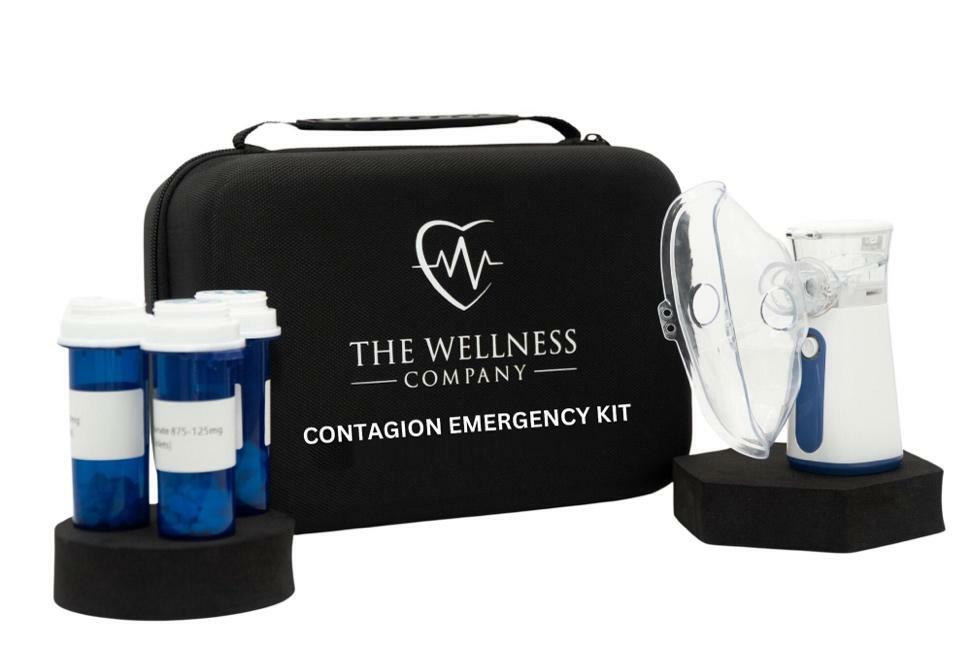
A valuable lesson that we learned during the last plandemic is that early treatment is absolutely critical.
That’s why many families choose to keep the Contagion Emergency Kit on hand.
The next outbreak won't wait — and neither should you. When the news breaks, shelves empty, doctors get overwhelmed, and prescriptions become harder to fill. We've seen how quickly access disappears when demand spikes.
The Contagion Emergency Kit removes that uncertainty. Your medications are already prescribed, already delivered, and ready to use the moment symptoms begin — when timing matters most. No scrambling for appointments, no waiting in crowded clinics, no wondering if what you need will still be available.
That's the difference between reacting and being prepared.
ACT TODAY TO BE PREPARED!