





Saudi Energy Conference Loses Shell, Exxon, BP Execs - Who Bail After Houthi Strikes
Several top energy executives were dropped from the schedule of Saudi Arabia's ongoing WPC Energy Congress in Riyadh on Monday, as the kingdom insists on holding the conference despite the threat to the capital posed by the Ansarallah-led Yemeni Armed Forces (Houthis).
The event began on October 11 and is meant to run until 15 October. The head executives of ExxonMobil, TotalEnergies, Shell, Chevron, and BP were expected at the event.
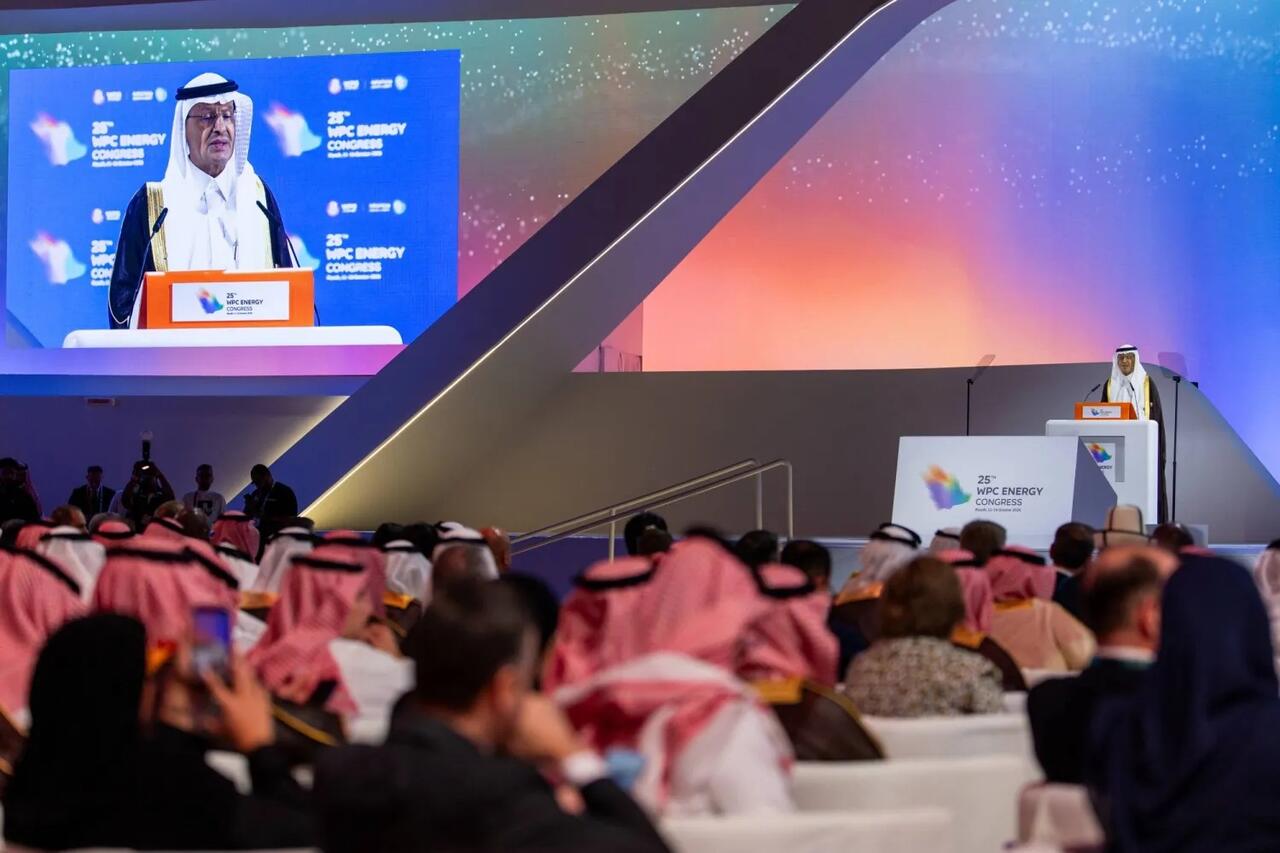
On Monday, they were no longer listed on the agenda that the conference organizers put out.
"To everyone who traveled to Riyadh, thank you," said Saudi Energy Minister Abdulaziz bin Salman while making the opening comments at the WPC Energy Congress.
"You know this country is safe and that we hold your protection at whole heart… Our gathering here does not mean the risk is gone," he said.
He said that the YAF’s operations targeting the kingdom were "serious" and deserved an "equally serious" response. The event had been planned for April but was postponed when the illegal US-Israeli war on Iran was launched in February.
"Unfortunately, due to travel disruption, we are unable to be there in person. We greatly value our long-standing partnerships across the region," said a BP spokesperson cited by Reuters. The spokesperson added that the firm made “every effort to participate.”
Shell declined to comment, and TotalEnergies, ExxonMobil, and Chevron did not immediately respond.
The event is taking place 10 kilometers from Riyadh’s King Khalid Airport, which was bombarded by the YAF over the weekend, resulting in 12 deaths.
At the conference, Aramco CEO Amin Nasser said pressure across the energy world will only worsen until the Strait of Hormuz is fully reopened by Iran.
"Globally, the squeeze on crude oil is serious," he said. The surge in refined fuel prices is making things worse, he added.
Offshore inventories are “well below” 6 million barrels, he went on to say, warning that it could take up to two years to refill while meeting demand. Meanwhile, crude oil prices climbed to their highest level in two weeks on Monday.
Brent crude rose 1.25 percent to $106 per barrel, while US WTI crude traded at $92 per barrel, marking their highest levels since 29 September.
Riyadh has suffered significantly as a result of its renewed war on Yemen and Sanaa’s retaliatory strikes, widening the country’s budget deficit and pushing the Saudi economy to the brink of "contraction," the Wall Street Journal (WSJ) reported on Monday.
Over the weekend, Riyadh’s international airport came under heavy Yemeni bombardment. The halt to operations at King Khalid Airport was extended on Monday. Sanaa had repeatedly issued warnings over recent days, but Saudi authorities insisted on keeping airports running.
The kingdom's Abha International Airport has also been under fire. Major Aramco sites across the country have been repeatedly struck, including refineries.
Heavy clashes inside Yemen are ongoing as well, as Ansarallah-led forces clash with the kingdom’s proxies in a bid to expel the Saudi-led coalition from the country. In September, the YAF seized Bab al-Mandab, much of the western Yemeni coast, and several Red Sea islands. Ansarallah-led forces are now pushing toward the city of Taiz.
Sanaa’s large-scale campaign of retaliatory strikes against Saudi Arabia and its proxies is the result of the kingdom’s July escalation against Yemen. Indiscriminate Saudi bombing of Yemen has escalated in recent days, resulting in civilian casualties.