





Bulgarian PM Stuns EU With Full-Throated Backing Of Trump-Putin Diesel Deal
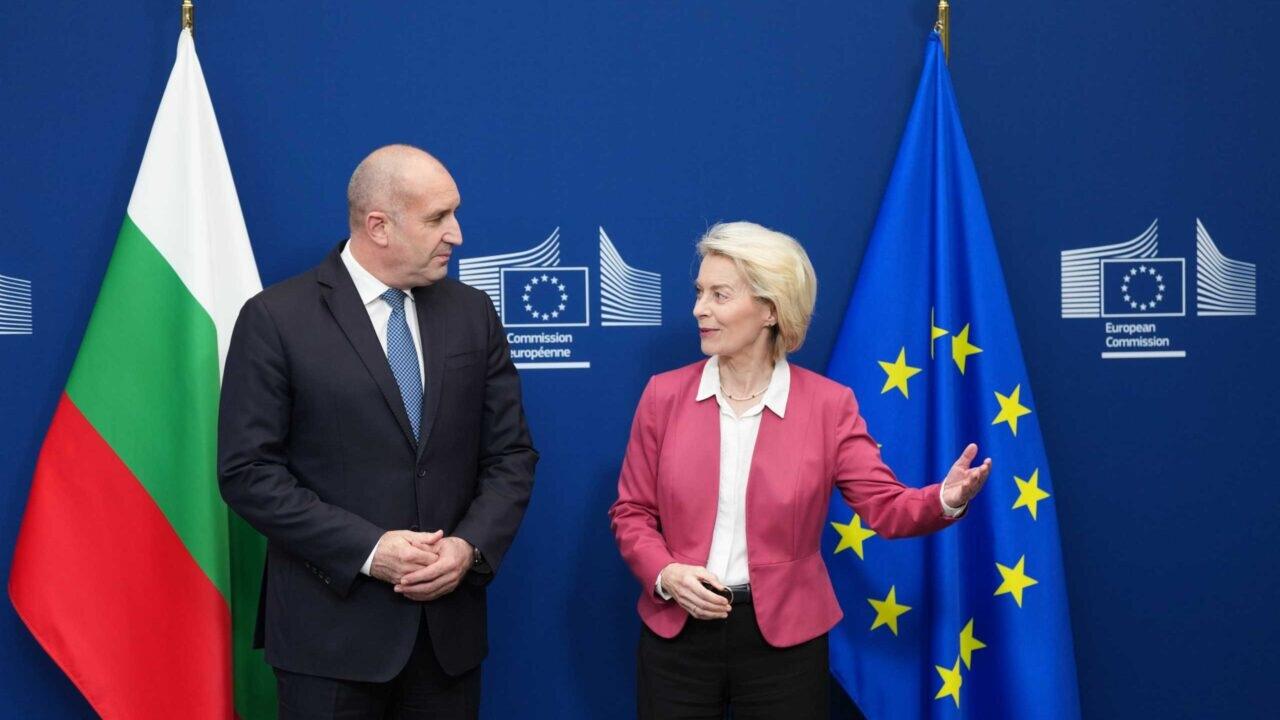
Bulgaria has just broken ranks amid widespread European criticism over the Trump-Putin diesel deal announced last week, with the NATO country's Prime Minister Rumen Radev stunning Brussels in fresh remarks.
"You know what is our problem right now in Europe? High fuel prices," Radev said in English as he attended a two-day summit of leaders.
Reuters described of the top level meeting in Brussels, "the European Union began a packed summit on Thursday that quickly underscored wrangles over how to tame soaring energy prices, design a budget to keep the bloc competitive and curb surging exports from China that are blamed for job losses."
Prime Minister Radev told the summit "Any step in reducing fuel prices and to guarantee our competitiveness, we appreciate" - in a clear reference to the US-Russia diesel agreement.
And even as most continue to vocally support Ukrainian President Zelensky in his ongoing standoff with Trump and defiance of US wishes, Radev criticized Ukraine's strikes against Russia's oil refineries, again siding with the White House.
"I don't support strikes on any refineries," Radev said, at a moment Trump is strongly warning that Kiev better halt this tactic.
"I don't support strikes on any energy power plants, like Russian attacks on energy power plants in Ukraine, because this hits us back," he added. "The prices in Europe are (skyrocketing)."
Fellow European leaders voiced wide disagreement, with EU foreign policy chief Kaja Kallas echoing Zelensky's words that the diesel deal was a "gift" to Vladimir Putin.
"The question is: what has he (Putin) given in return? What we see is that he's actually increasing the attacks on civilians and civilian infrastructure. The ceasefire that was also announced is not really working on the Russian side," Kallas said.
The recently installed Radev, whose Progressive Bulgaria party won the April election, has been busy rolling back the NATO 'eastern flank' country's prior policy on Ukraine, including related to arms shipments.
The new government has made clear it has a new peace agenda, and its position is that nothing will be resolved by just pouring more heavy arms into the conflict, now in its fifth year. It was given a new mandate.
This was also notable amid the AfD's continued rise in Germany...
German AfD Leader Alice Weidel: While you attempt to finance the proxy war against the nuclear power Russia practically single-handedly, our European partners are already discreetly holding back. And while you approve one sanctions package after another, thereby ruining our own economy and public finances, the U.S. and Russia are negotiating diesel deliveries and other agreements for their mutual benefit.
— Clash Report (@clashreport) October 15, 2026
He has repeatedly criticized EU overreach on green-energy mandates, sanctions policies and what he describes as moral posturing in a "world without rules."
While analysts have lately noted he is unlikely to ultimately jeopardize the flow of EU funds that sustain Bulgaria’s economy, the result installs a distinctly Russia-friendly government at the heart of the EU's southeastern flank - a shift that has been drawing close scrutiny in Brussels, Washington and Kiev.