





EPA Repeals Biden-Era Carbon Rules For Power Plants
As previewed here yesterday, late on Monday the Environmental Protection Agency (EPA) said that it finalized a rule repealing most of the carbon-emission limits for coal- and natural gas-fired power plants and proposed a separate measure that could restrict similar regulations in the future. Appropriately, the Sept. 14 announcement came at the G20 energy event in Houston.
The EPA projects that the two actions announced on Sept. 14 would save about $310.4 billion if the proposed repeal is finalized.
EPA Administrator Lee Zeldin said the changes would allow the United States to build power-generating infrastructure to meet a rapidly rising demand.
“For over 15 years, the Obama and Biden administrations implemented a war on coal to destroy reliable and affordable energy. The Trump administration has come in to protect American energy and to make sure you can afford to keep the lights on,” Zeldin said in a Sept. 14 statement.
“Americans will see a decrease in electricity prices, but this is just the beginning. We are working to go even further so that American energy can be fully unleashed. Realizing the full potential of American energy means more jobs, lower prices, and a more prosperous America.”
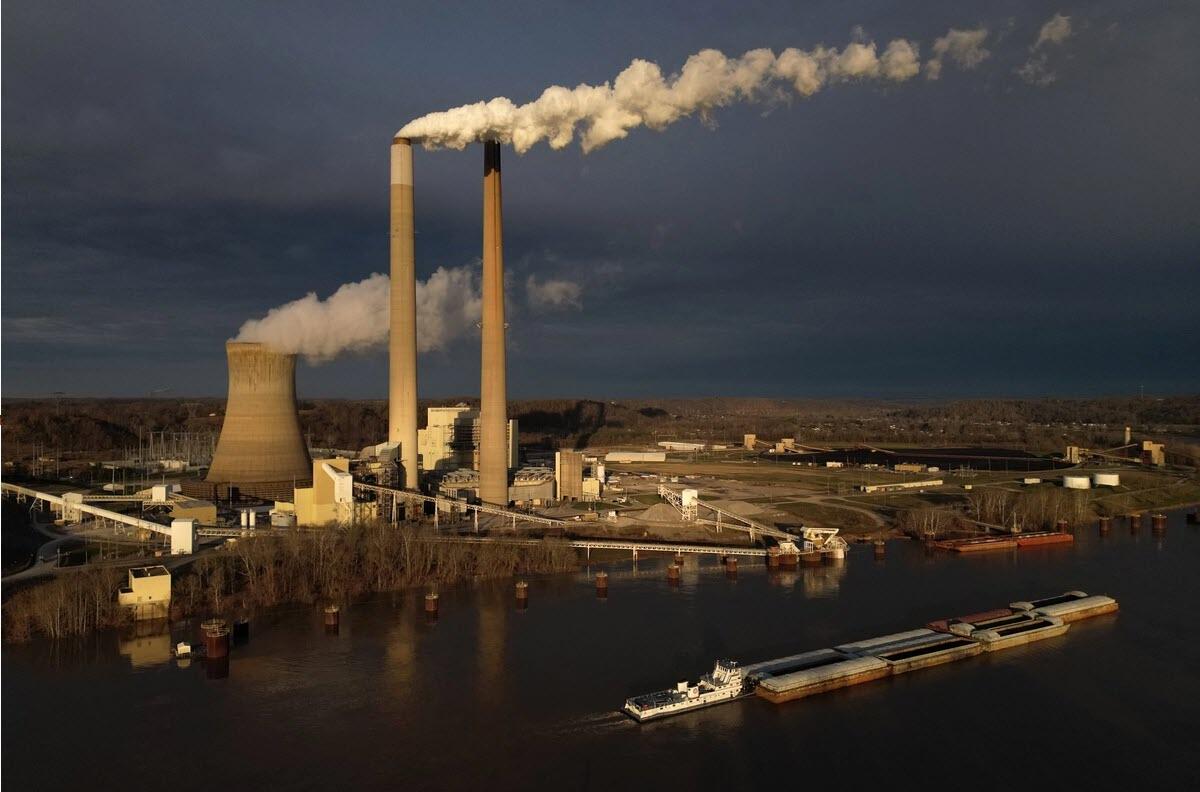
As the Epoch Times reports, the Sept. 14 action repealed most of the greenhouse-gas emission standards that were adopted under the Biden administration for existing coal-fired power plants and new natural gas-fired plants. The 2024 rule that is being repealed would have required existing coal plants and some types of new gas-powered plants to eventually capture and store their emissions underground.
The EPA also proposed a separate rule that would conclude that emissions from fossil-fuel power plants do not contribute significantly to dangerous air pollution, potentially preventing future administrations from imposing similar regulations under the Clean Air Act.
Such a rule would be all but certain to face challenges in court.
For more than a decade, the EPA has relied on Section 111 of the Clean Air Act as the legal baseline for regulations on U.S. power sector emissions, the second largest source of emissions in the United States, behind motor vehicles. That power could be on the chopping block as the issue moves forward.
If administration changes go through and are upheld in court, it would defang a significant portion of federal legislation on the issue in the future.
President Donald Trump has long expressed a preference for fossil fuels over renewable energy sources.
The proposals from the EPA come as the administration faces mounting pressure to expand energy production in the United States in order to power artificial intelligence data centers, which have strained power grids across the country.
Trump has been favorable to data centers and AI research more broadly, saying that the U.S. must continue to invest in the technology in order to keep pace with China.
The Natural Resources Defense Council, a nonprofit environmental group, opposed the moves.
Meredith Hankins, the federal climate legal director at the Natural Resources Defense Council, said that as millions of Americans facing wildfires, heat waves, and deadly storms fueled by climate change, the Trump administration is cutting the biggest polluters loose to do more damage than ever.
“For the health of our families and good of our nation, this cannot stand. Ignoring the immense harm to the public from this power plant pollution is a clear violation of the Clean Air Act and of Supreme Court precedent. We will be seeing them in court,” Hankins said.
Michelle Bloodworth, president and CEO of America’s Power, supported the repeal when it was proposed in June 2025, saying it would improve grid reliability and make electricity more affordable.
Bloodworth said in 2025 the Biden-era rule would have forced coal plants to close, worsening the risk of electricity shortages as demand rises from data centers, artificial intelligence, advanced manufacturing, and industrial growth.
She said that preserving existing coal plants would improve grid reliability, hold down electricity prices, and strengthen U.S. energy security and economic competitiveness.