







The Bond Canary In The "Big Beautiful" Coal Mine
Submitted by QTR's Fringe Finance
With the passage of President Trump’s so-called “Big Beautiful Bill”—a sprawling new fiscal stimulus and infrastructure package—the U.S. bond market should be in the spotlight, if you ask me.
This legislation, which mostly accelerates deficit spending at a time when debt servicing costs are already surging, is colliding with a Treasury market that has shown persistent signs of instability over the past year. Investors should be watching this space very closely.
Libertarians and fiscal conservatives are sharply critical of Trump’s “Big Beautiful Bill,” arguing it fuels runaway spending, expands government power, and deepens the national debt without accountability. They see it as the latest bipartisan failure to exercise fiscal discipline, especially given the total disregard for the debt ceiling and the growing risk of fiscal dominance, where the Fed is pressured to keep rates low to finance government borrowing.
Critics warn that the bill crowds out private investment, distorts markets, and sets the stage for inflation and long-term instability—betraying principles of limited government and economic freedom in favor of politically driven, debt-funded expansion.
Meanwhile, over the past six months, the U.S. Treasury market has shown mounting signs of stress, reflecting a growing disconnect between fiscal policy and investor confidence.
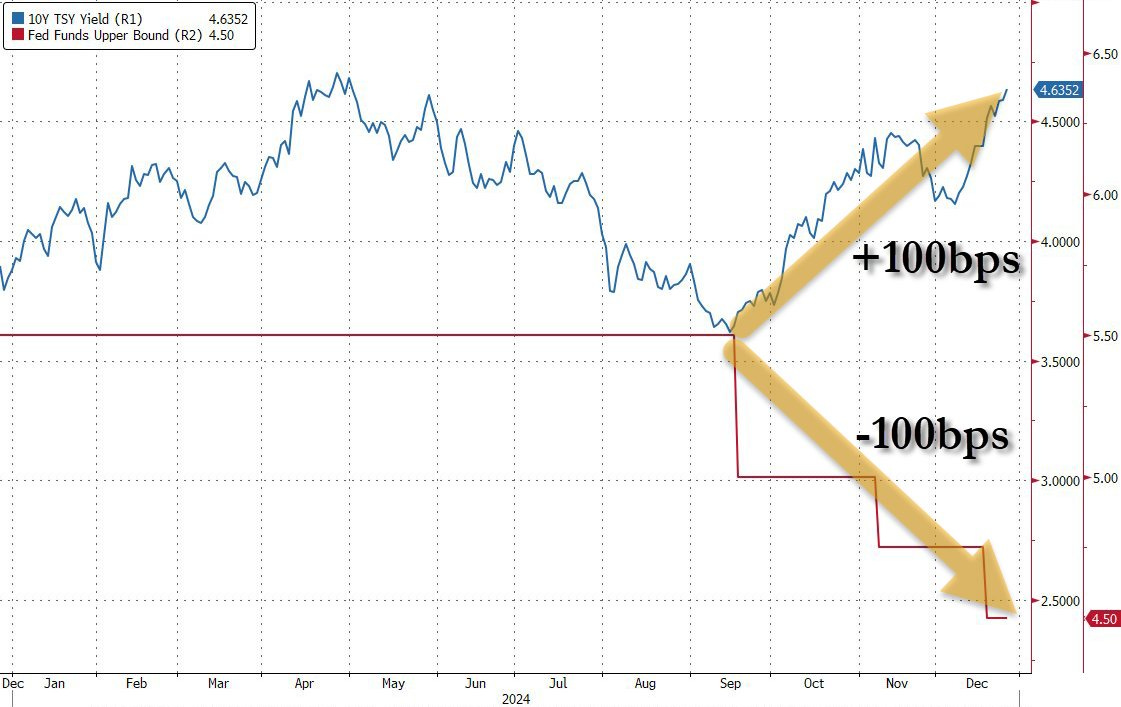
Chart: Zero Hedge
Multiple long-duration bond auctions have seen weak demand, with bid-to-cover ratios falling and yields coming in higher than expected, indicating that buyers are becoming more reluctant to absorb the government’s growing debt load. Despite market expectations for Fed rate cuts, long-term yields have remained stubbornly high or even risen, suggesting that concerns over inflation and deficit spending are outweighing hopes for monetary easing.
The yield curve, which had been deeply inverted, has begun to steepen—not because of optimism, but due to...(READ THIS ENTIRE COLUMN HERE).