







US May Take a Stake in Gold Miners
Contents: (1000 words)
- The Last 3 Years of International Risks
- Emerging U.S. Strategy
- Foreign Mercantilism and Its US Mirror
- Supply Chains and Security
- Market Implications: Bullish
- Toward Critical Designation
- A New Environment for Miners
- Appendix: Sibanye‑Stillwater
The Flip Side of BRICS Economic Nationalism
Authored by GoldFix ZH Edit
The Last 3 Years of International Risks
Over the past three years, one of the consistent drags on metals' miners has been the heightened risk of international confiscation or nationalization. American mining companies operating abroad face a series of pressures that undermine their productivity.
In Africa, governments have demanded larger percentages of gold production. In Latin America, companies encounter increased obligations to labor, higher wage demands, and threats of strikes. Environmental concerns introduce additional costs, such as fines for land degradation. In other cases, political instability creates even greater risks, with coups leading to direct expropriation of resources or the kidnapping of executives.

These measures illustrate how host countries, whether through legislation or force, can extract greater concessions from miners. The result is a consistent risk premium placed on operations outside of the United States.
Emerging U.S. Strategy
Recent developments suggest a domestic counterpart to these trends. The United States has begun to take equity stakes in strategically important companies. The Pentagon acquired a 50 percent interest in MP Materials, a rare earth miner. The government has also invested in Intel, primarily to ensure that critical manufacturing capacity remained under friendly control. These actions represent the early stages of a policy shift in which Washington directly supports and secures industries deemed vital to national security.
Critical Minerals: Ready for $144 Silver and $9.00 Copper?

Silver’s addition to the U.S. critical minerals list has sparked comparisons with lithium and uranium, both of which surged after designation. Lithium jumped from $10,000 to $70,000 per tonne within four years, while uranium climbed from $20 to over $100 per pound. Using these analogs, analysts see silver potentially reaching $144 per ounce and copper approaching $9.00 per pound over the next several years. Strategic recognition, government stockpiling, and lagging supply pipelines underpin the bullish case. The analog is not a forecast, but it highlights upside risks in critical metals. Read full story
This form of national involvement does not constitute controlling ownership (so far) but functions as a safeguard. The intent in part is to prevent key resources or capabilities from falling into foreign hands and to provide stability in strategic supply chains. Some form of nationalization of supply sources is not out of the question, especially after deeming those as critical. It is a logical defense after BRICS and other nations have restricted access to needed materials.
Foreign Mercantilism and Its US Mirror
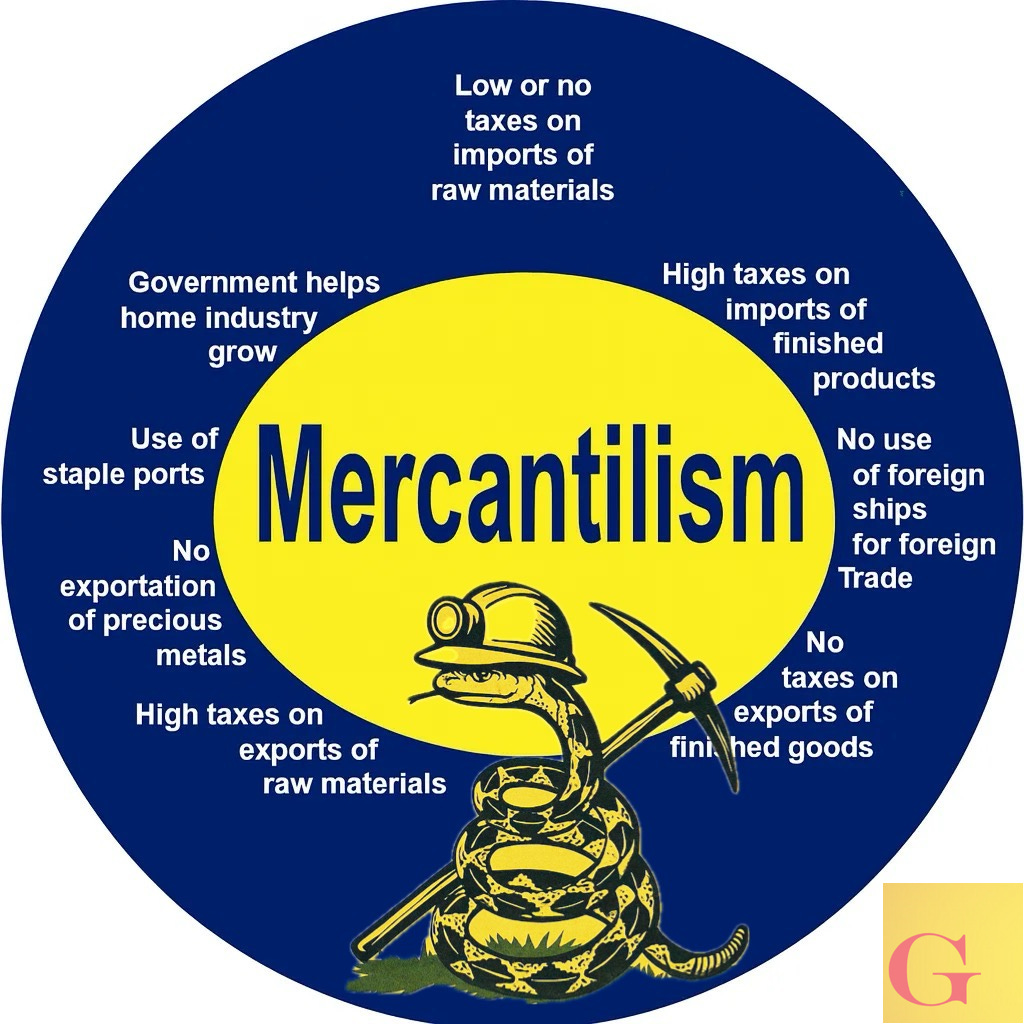
The broader context is a Mercantilist one. For years, countries hosting American companies have pursued policies designed to retain a greater share of natural resource wealth. They demand more output remain locally, extract higher compensation for labor, or expand bureaucratic oversight. At times, instability results in abrupt expropriation. The mirror image of these practices now appears in U.S. policy. Rather than leaving companies exposed to such risks, Washington extends protection through financial participation and oversight.
A remark attributed to a GoldFix subscriber about Barrick’s problems1 captured the rationale succinctly: “If that was an American company, that would not have happened.” And it kind of hit us. The message is that American ownership and state backing alter the risk calculus for those who might otherwise target U.S. companies abroad.
Supply Chains and Security
The linkage between mining and national security has become clearer....
Continues here
