





Gold Refinery Scandal Puts LBMA’s Brand at Risk
Gold Refinery Scandal Implicates LBMA as Either ‘Complicit or Toothless’
Authored by GoldFix
GFN – LONDON: The Istanbul Gold Refinery (IAR), a key player on the London Bullion Market Association’s (LBMA) Good Delivery list, is at the center of a widening criminal probe after Turkish authorities detained 21 suspects over alleged subsidy fraud. The case now threatens to spill into London, raising difficult questions about LBMA oversight and the credibility of its global accreditation system.
“This scandal is a stress test for LBMA’s credibility.”
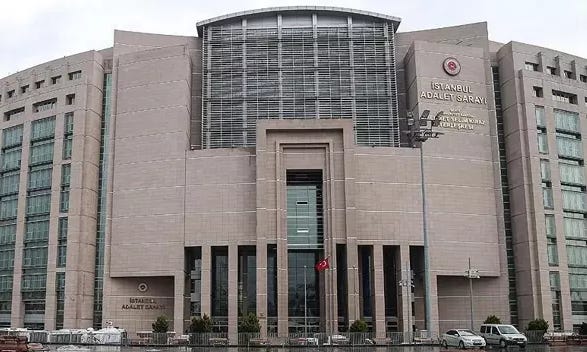
According to Turkey’s state-owned Anadolu Agency via Reuters, police arrested 21 individuals tied to IAR and related companies, including main shareholder Ozcan Halac, on charges of unlawfully obtaining 3% state support on more than $540 million of gold exports. The investigation alleges the group used a government incentive scheme meant to stabilize the Turkish lira, defrauding the state of roughly $12.5 million.
FT Piles on The LBMA

Numerous times over the years we have bemoaned the continued existence of the LBMA as an institution that has outlived its purpose and merely exists to shield its members who patronize and finance it. The FT does more.
The broader concern, notes the FT, is governance. The LBMA and LPMCL act with considerable authority, setting rules that are binding in practice if not in law. They determine eligibility, access and settlement mechanics in a market where global central banks and sovereign wealth funds are major stakeholders.
However, these institutions need more accountability. In the event of a dispute, technical failure, or systemic stress, the regulatory mechanisms to enforce resolution or protect market integrity are not clear enough. This is a genuine concern, particularly in an asset class often turned to in times of crisis.
As an LBMA-accredited refinery, IAR’s involvement immediately draws scrutiny toward London’s bullion oversight framework. The LBMA’s Good Delivery List underpins global trust in refined gold, certifying technical quality and responsible sourcing. Yet critics say the association’s reliance on third-party audits and self-reporting makes it vulnerable to reputational blowback when member refiners face legal or ethical breaches.
“If an accredited refinery is implicated in misconduct, critics argue LBMA’s standards are too loose or toothless.”
Analysts note that the LBMA could activate its Incident Review Process to assess whether IAR violated compliance rules. Possible outcomes range from temporary suspension to full removal from the Good Delivery List, a move that would effectively block IAR from the London market and disrupt Turkish gold exports.
Reputationally, the stakes are high. The LBMA has already faced pressure from NGOs and legal challenges—such as a UK High Court case alleging negligent certification of a Tanzanian refiner connected to human rights abuses. The IAR scandal could amplify those concerns, especially if investigators find that LBMA oversight failed to catch financial irregularities.
“LBMA may not be complicit, but weak enforcement can create moral hazard.”
While the alleged fraud appears financial rather than related to illicit sourcing, the distinction may not matter to stakeholders. If London’s certification process is seen as reactive rather than preventive, confidence in the label “LBMA-accredited” could erode. The broader risk is systemic: each new scandal raises the probability that governments, investors, and ESG watchdogs demand tougher audit rules and legal accountability for certifiers themselves.
LBMA: Ministry of Bullion Truth

“ It takes time, and the stuff is also quite heavy, as you know”
Gold continues to serve as a trusted store of value for investors and central banks. Yet the infrastructure underpinning the global gold trade remains largely private, opaque, and lightly regulated. This structure, while long-standing, carries risks that have not been fully addressed by policymakers.
Bernhard Schnellmann, writing for the Financial Times and echoing our concerns (see open letter to LBMA) notes that the European Central Bank has warned extreme events in the gold market could threaten financial stability.
“Disruptions in the physical gold market could increase the risk of a squeeze.” — European Central Bank
For now, the LBMA faces a familiar dilemma—whether to act swiftly and risk alienating refiners, or to wait for legal clarity and risk appearing complacent. Either choice carries cost. The outcome of the Istanbul case may determine whether LBMA’s Good Delivery brand remains the global gold standard or begins to lose its shine.
Continues here unlocked