





Silver Museum Emptied in Massive Heist
**Silver Museum Emptied in Massive Overnight Heist
Massive Silver Burglary in Netherlands
GFN – DOESBURG (Netherlands) – In the early hours of Wednesday, 21 January 2026, the Zilvermuseum Doesburg, a small museum housed inside the historic Martinikerk in the Gelderland town of Doesburg, was completely robbed of its antique silver collection in what authorities are treating as a major burglary. The theft — involving more than 300 precious silver objects representing centuries of craftsmanship from around the world — has left museum officials, local authorities, and heritage advocates stunned.
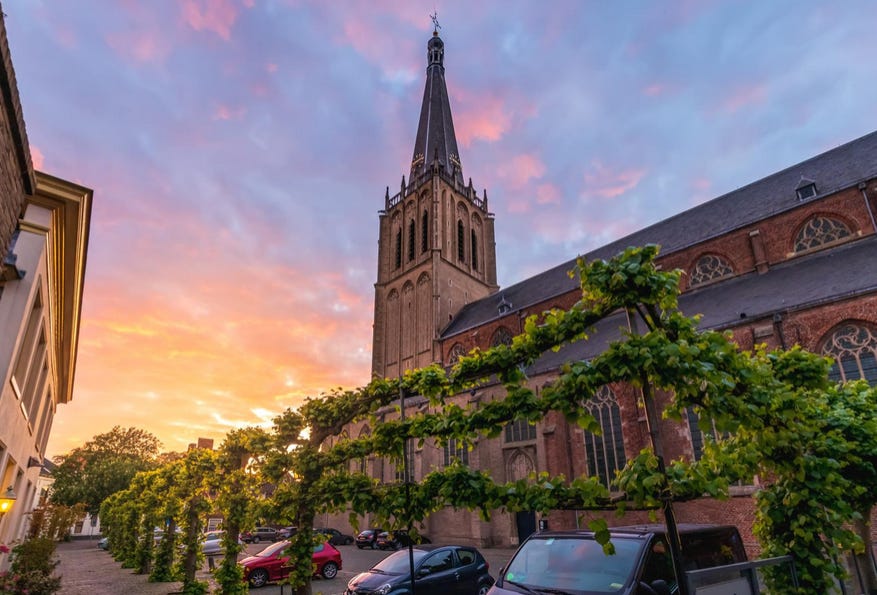
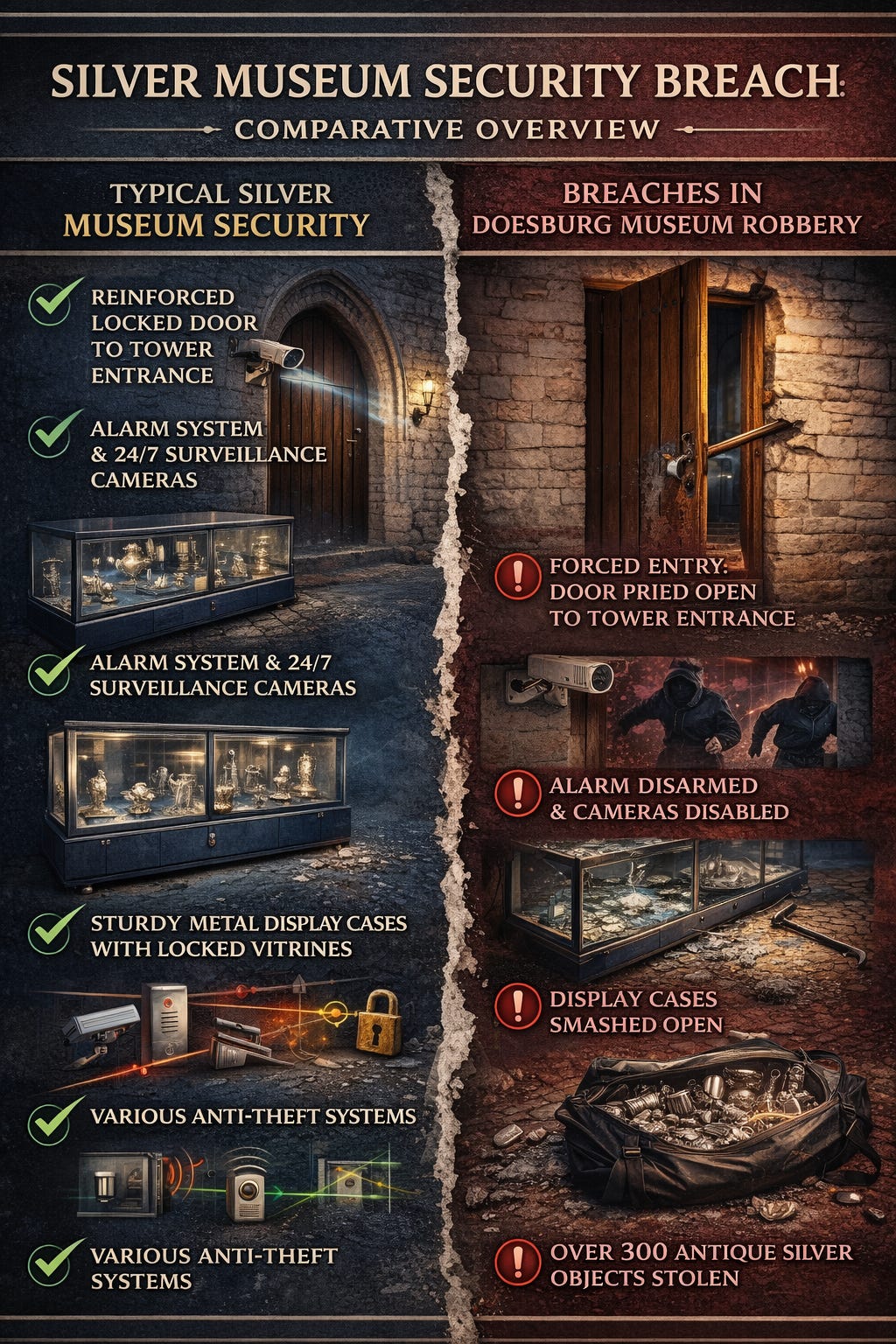
At approximately 4:30 a.m., two unknown individuals forced their way into the church through a tower entrance, used a crowbar to breach the museum’s doors, and smashed all 14 display vitrines before departing with the entire silver collection, police and museum statements confirm.
“The entire collection of antique silver has been stolen.”
— Museum press release, Zilvermuseum Doesburg (translated)
A Cultural Loss Beyond Its Weight in Silver
The collection, assembled over decades and sourced from more than 20 countries, featured objects ranging from ornate silver mustard pots and spoons to intricate cruet sets tied to the butter, vinegar, and tobacco trades. Among the stolen pieces was a unique silver mustard pot and spoon specially designed for the museum by silversmith Marcel Blok, symbolizing the meandering IJssel River and bearing the city coat of arms of Doesburg — an item that “does not exist anywhere else in the world.”
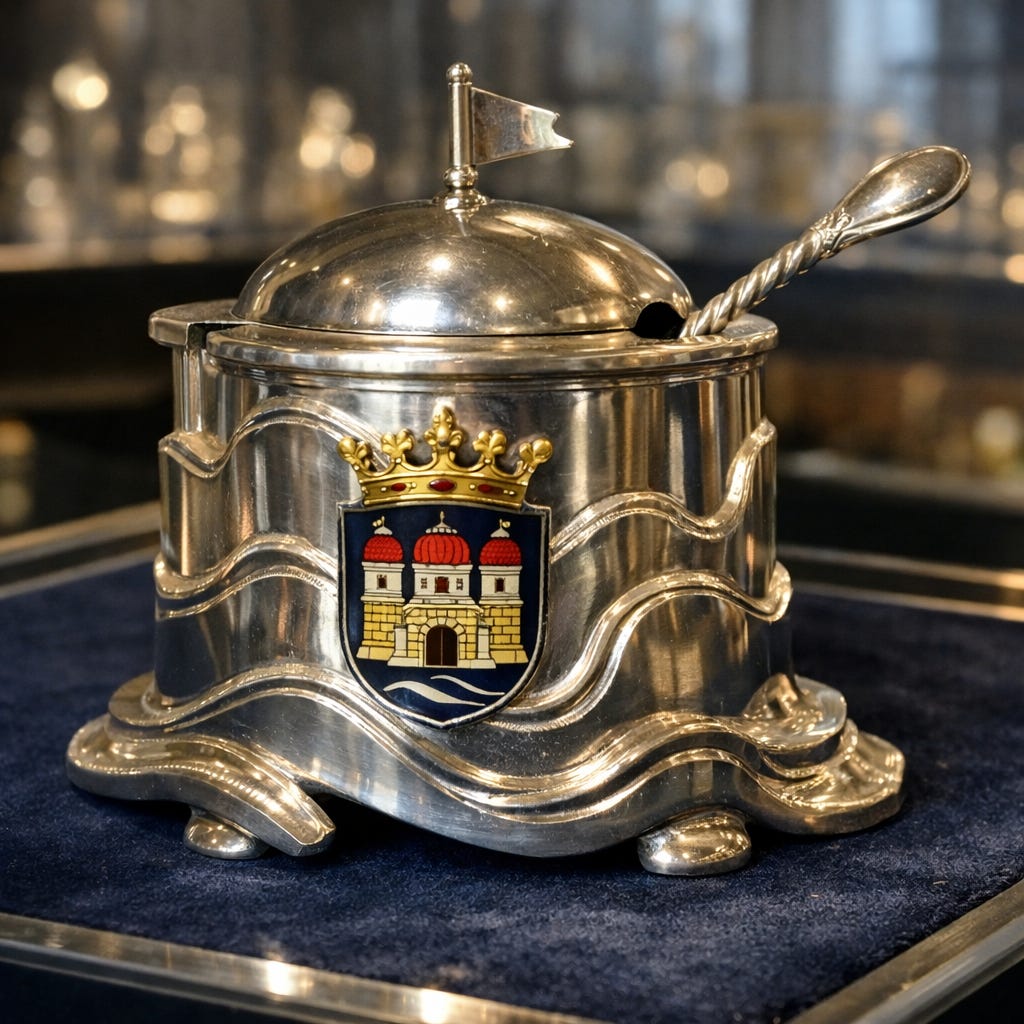
“This is not just a theft of silver, but of stories, craftsmanship, and history.”
— Martin de Kleijn, Founder of Zilvermuseum Doesburg
Museum chairman Ernst Boesveld told local media that only some ceramics on temporary display were left undisturbed by the thieves, and that the museum is now closed indefinitely as investigators work the scene. He emphasized that while financial loss from the theft — estimated in the tens of thousands of euros — is significant, the emotional and historical damage is far greater.

Crime Scene, Investigation, and Security Gaps
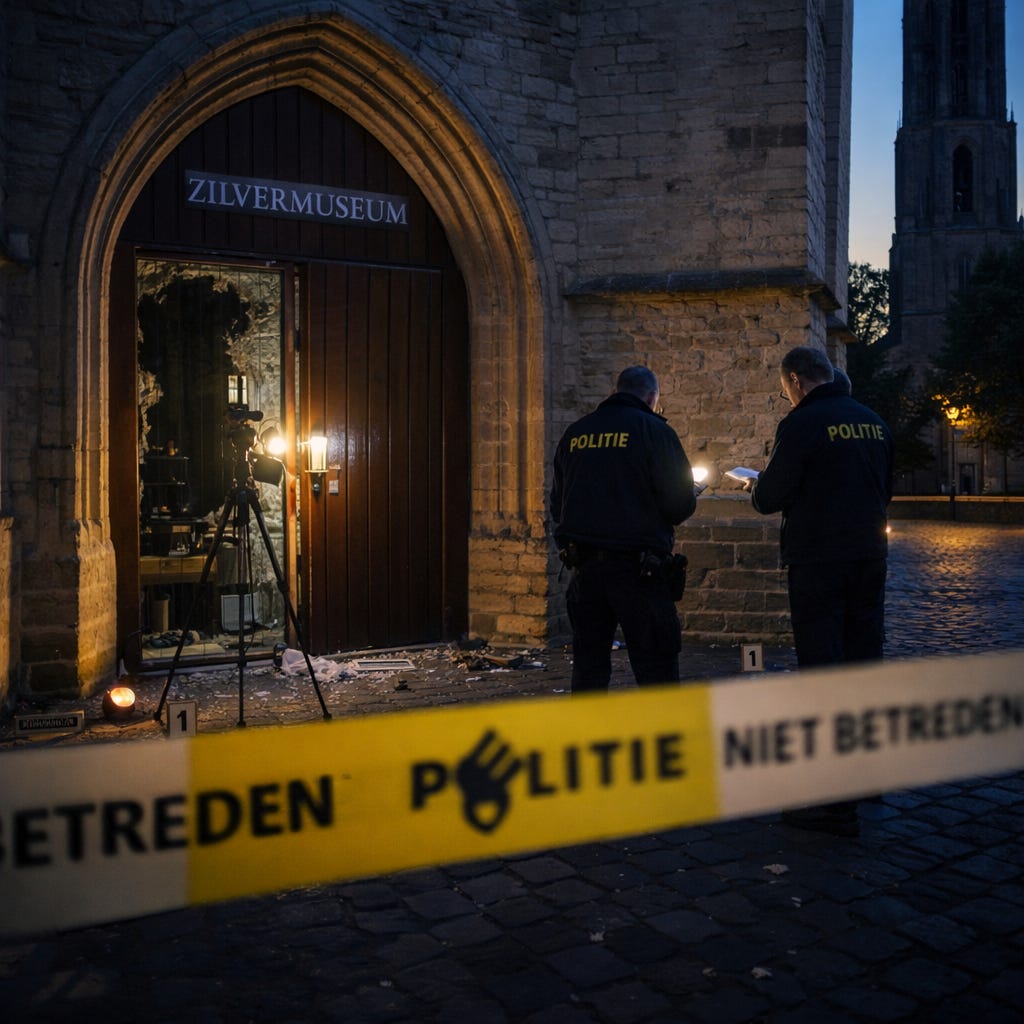
Police were called soon after the burglary and have begun combing through the surrounding area for video surveillance footage that could help identify suspects. A spokesperson told Dutch broadcasters that the thieves briefly appeared in footage before disabling the cameras. No arrests have been reported as of the latest updates, and investigators have not yet determined if the burglary was precisely planned by insiders or opportunistic.
Authorities are appealing to witnesses who may have been near the Martinikerk around the time of the burglary to come forward with information, including any sightings of suspicious individuals or recently offered silver items for sale.
Historical and Material Context
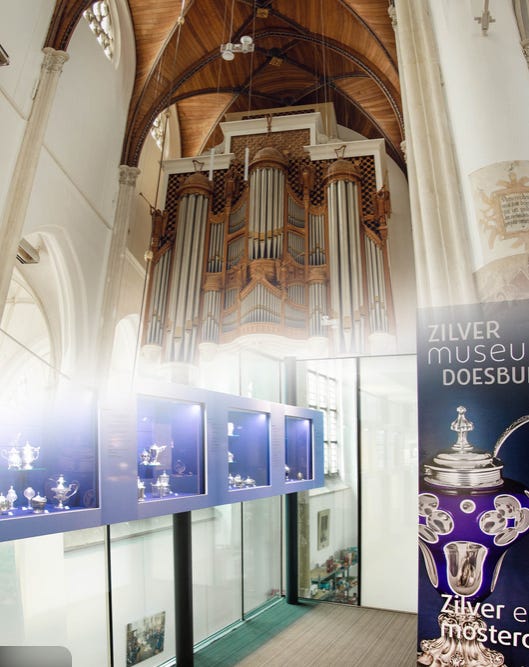
The Zilvermuseum, though modest in scale, occupies a floating glass structure within the 13th-century Martinikerk and had become a cherished locus for cultural tourists and local residents alike. Its exhibits offered rare insight into the evolution of silver craft, both utilitarian and ceremonial, from the 18th through early 20th centuries.
Silver’s recent surge in price — spurred by investor demand amid geopolitical uncertainty — complicates the aftermath of the theft. While the museum stressed that the cultural and historical value cannot be quantified in monetary terms, a higher bullion price inherently increases the financial damage and may tempt thieves to sell or melt objects rather than attempt resale through legitimate channels.
Reactions and Heritage Significance
Local cultural advocates voiced deep regret that centuries-old artifacts documenting craftsmanship and social history were lost in a matter of minutes. Some commentators note that museum security, while adequate for daily visitors, was insufficient to deter determined intruders with tools and foreknowledge. Comparisons to other high-profile European museum heists — where thieves specifically target small collections for metallurgical resale value — are already emerging in Dutch cultural discourse.
“They have made a very substantial haul,” a police spokeswoman told RTL Nieuws, reflecting on the breadth of the stolen works but stopping short of suggesting motive or sophistication.
Heritage professionals warn that silver items stripped of provenance and melted down are among the hardest to recover, underscoring the urgency of public reporting and international cooperation in art crime investigations..
More here