





Economic Warfare: The Invisible Battlefield of Empires
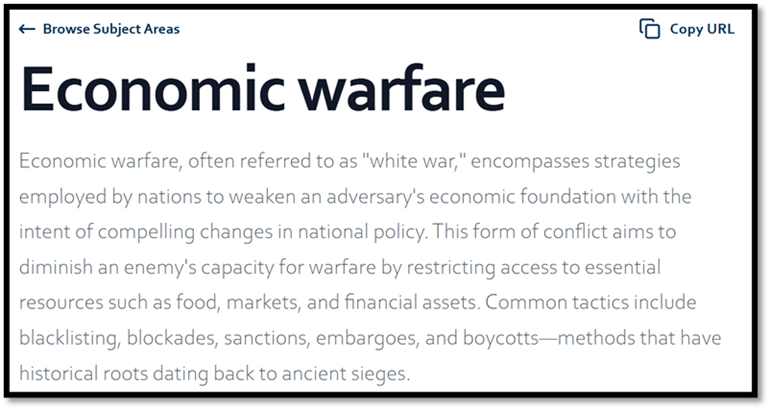
Economic warfare has always been the quiet language of empire, spoken long before open conflict is declared. Athens called it safeguarding trade; Rome called it provisioning grain—both ensured obedience by controlling who could eat and who could trade. Later empires refined the method: monopolies were named “exploration,” blockades became “policy,” and isolation was framed as necessity. By the 20th century, the practice was no longer hidden but institutionalized starvation enforced through systems, embargoes presented as restraint, and financial networks turned into instruments of compliance. In the Cold War, control of money, technology, and trade replaced armies as the primary tools of dominance. The lesson, repeated across centuries, is simple: those who control the flow of resources need not conquer territories—dependence does the work for them.
https://www.ebsco.com/research-starters/history/economic-warfare
At the outset of the American Revolution, George Washington politely attempted to fight the British the “proper” European way—lining up neatly to be outperformed by a far superior army, nearly achieving the efficient elimination of his own forces. After several instructive near-disasters, it was concluded—somewhat belatedly—that copying the enemy’s strengths was not a winning strategy. The solution was refreshingly unconventional: stop standing still, start hiding behind trees, strike quickly, and disappear before the British could demonstrate their professionalism. While this untidy method slowly unravelled British military cohesion, the Empire pursued a more refined approach—economic warfare—blockading trade, restricting colonial finance, and thoughtfully flooding the system with counterfeit currency to accelerate inflation, a tactic duly noted by Benjamin Franklin. In short, while one side improvised survival, the other ensured that even money itself became unreliable.
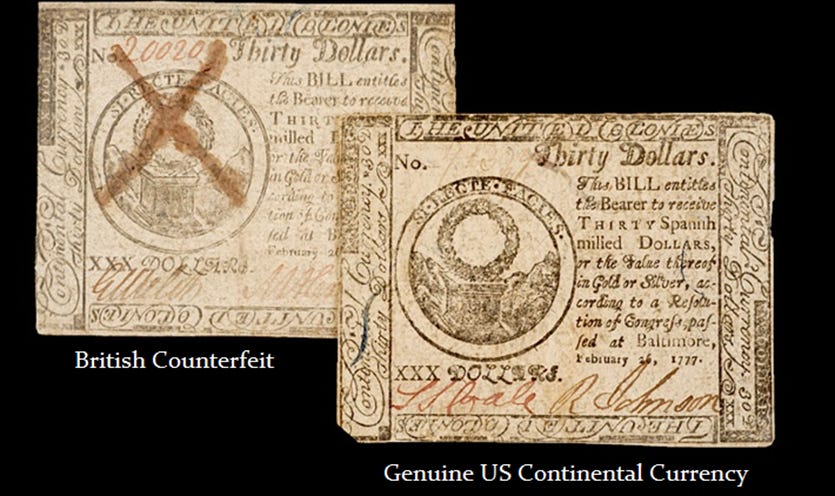
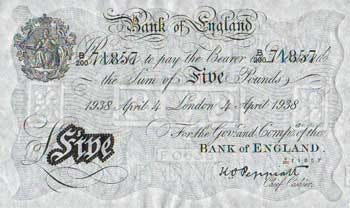
Economic warfare, it turns out, is less an innovation than a tradition politely recycled by each generation of empire. Napoleon Bonaparte experimented with counterfeiting British currency to weaken his rival, and later Nazi Germany refined the craft through Operation Bernhard, flooding the system with forged pounds in hopes of collapsing confidence from within. The method is simple: if you cannot break your opponent on the battlefield, you weaken the foundations that sustain it. By the same logic, actions that disrupt energy supply—such as attacks on oil infrastructure—fit neatly within this long-standing playbook. Just as George Washington abandoned rigid formations when they proved ineffective, weaker powers have historically avoided direct confrontation, choosing instead to target vulnerabilities where asymmetry works in their favour.
https://jewishvirtuallibrary.org/operation-bernhard
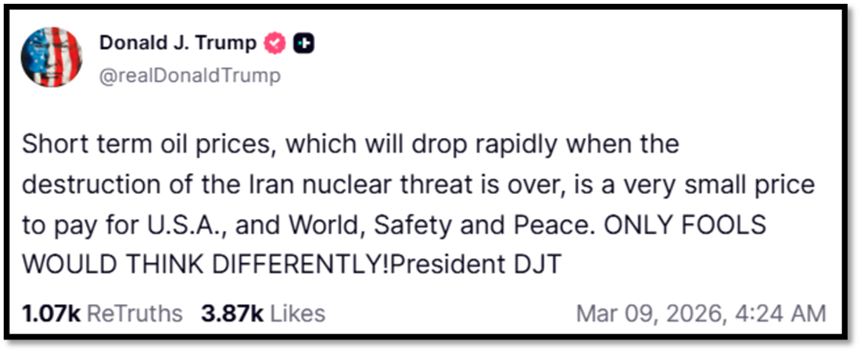
Fast forward to 2026, and the contest between Washington and Tehran theocracies has simply updated its methods, not its logic. Unable to prevail in direct confrontation, Tehran turns to the familiar grammar of economic warfare—this time through the Strait of Hormuz, where it reportedly signals that passage may be “facilitated” if oil is traded in yuan rather than dollars. The message is less about replacing the dollar overnight than about introducing friction into a system long anchored by the petrodollar. As sanctioned flows from Russia already migrate toward alternative currencies, and with China as Iran’s primary buyer, the proposal reads as a calibrated manoeuvre: test the boundaries, reward alignment, and quietly erode the monopoly. Practical constraints remain—verification, security risks, and the yuan’s limited global reach—but that is almost beside the point. Like all effective economic warfare, the objective is not immediate victory, but gradual displacement—one transaction, one route, one precedent at a time.

Economic warfare has been explained as necessity, its logic rooted in the language of scarcity. The warnings of Thomas Malthus—that population may outgrow resources—have been absorbed into policy, repeated until constraint appears natural and management unquestionable. Shortages are forecast, calibrated, and, when useful, reinforced. There is, officially, no design—only response. No intention—only consequence. Yet sanctions tighten, supply chains fracture, and inflation spreads with disciplined consistency, producing outcomes that resemble design without ever being declared as such. The most vulnerable absorb the heaviest burden, as access to food, energy, and capital becomes conditional. Inequality widens, not as a failure but as an adjustment. Social strain emerges, not as a warning but as a signal. In this system, economic warfare does not announce itself; it administers. And what it shapes, it rarely needs to explain.
Economic warfare, in its quiet generosity, has a way of “clarifying” societies under pressure. As inflation politely erodes purchasing power, essentials become selectively available, and opportunity retreats into theory, people are invited to reconsider their expectations. Moderation—so reliable in comfortable times—suddenly feels inadequate, while simpler, louder explanations gain a certain charm. Frustration matures into conviction, and conviction into division, as if by design yet always by coincidence. History, ever the patient observer, notes that prolonged hardship tends to sharpen identities and stretch fault lines. Thus, economic warfare does not merely weaken a nation’s material base; it thoughtfully rearranges its internal balance, ensuring that the centre, having lost its footing, gracefully steps aside.

The notion often called the “Samson Option” recalls an ancient lesson: when a man, facing capture, chose to bring down the temple upon himself and his enemies, preferring shared ruin to submission. In the conduct of states, this spirit appears when a nation, perceiving an existential threat, adopts measures that harm both adversary and self rather than yield. In the realm of economic warfare, such actions take the form of cutting vital trade, weaponizing currency, or disrupting financial systems in ways that reverberate beyond all intention. The sages would caution that when instruments meant to preserve order are driven to excess, they begin to erode the very harmony they were meant to protect. Thus, what begins as a strategy of survival may, if pursued without restraint, fracture the broader order under Heaven and leave all parties diminished.
Read more and discover how to trade it here: https://themacrobutler.substack.com/p/economic-warfare-the-invisible-ba…
Visit The Macro Butler Website here: https://themacrobutler.com/
Join The Macro Butler on Telegram here : https://t.me/TheMacroButlerSubstack
Register your interest to The Macro Butler World Economic Summit 2026 here:
https://themacrobutler.substack.com/p/the-macro-butler-world-economic-s…
You can contact The Macro Butler at info@themacrobutler.com

Disclaimer
The content provided in this newsletter is for general information purposes only. No information, materials, services, and other content provided in this post constitute solicitation, recommendation, endorsement or any financial, investment, or other advice.
Seek independent professional consultation in the form of legal, financial, and fiscal advice before making any investment decisions.
Always perform your own due diligence