





How the 10Y Yield Interacts With Stocks
Welcome to MktContext! I am a professional money manager, trader, and investor who has been timing and beating the market for over a decade. We specialize in predicting market direction by studying the economy and market signals. Join 13,000 subscribers at MktContext.com for our weekly deep dives and analysis!
Stocks experienced another volatile week as long-term interest rates broke to new highs. The US 10-year rate touched 5%, a level not seen since October 2023.
Rates are rising on speculation of a Fed hike next week, with market-implied odds at 86%. However, a hike appears unnecessary given contained inflation readings. During the last FOMC meeting, Warsh noted that rising long-term yields were already tightening financial conditions for the Fed.
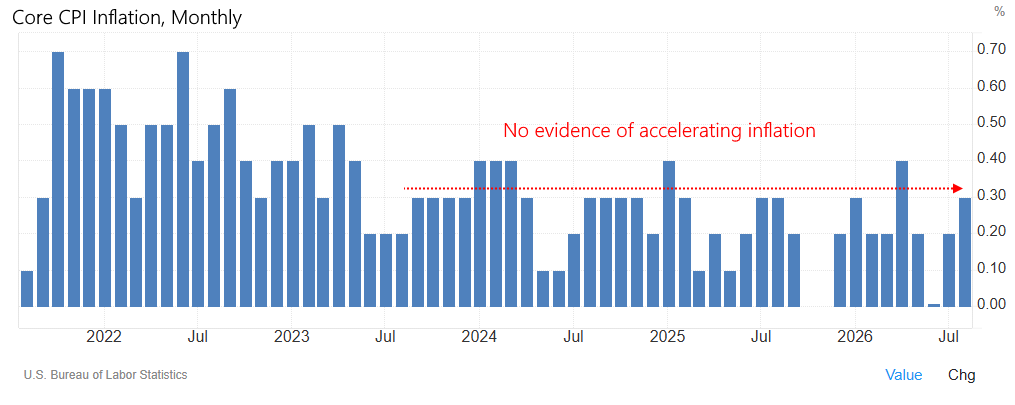
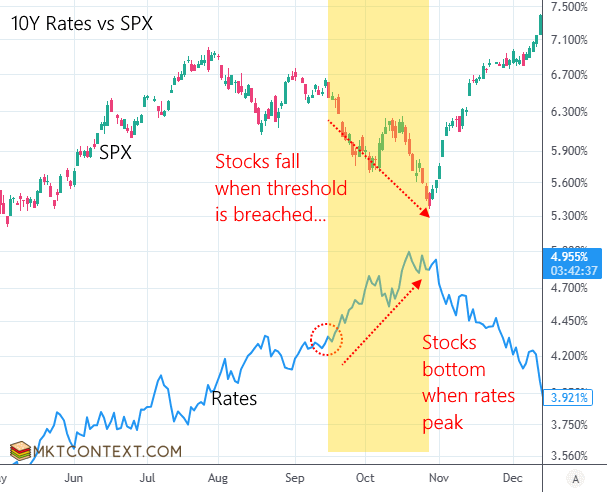
Stocks typically face pressure when the 10-year rate exceeds 4.7% (the exact threshold has drifted higher alongside changing bond supply and demand). Below, we analyze previous instances where yields breached critical levels:
August 2023: rates broke above the threshold, triggering a decline in SPX. Once rates peaked and eased, stocks rebounded.
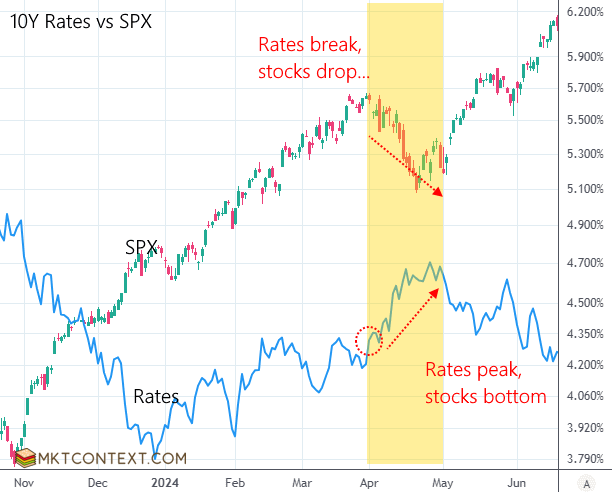
April 2024: rates rise above the threshold, SPX drops. Rates ease, SPX rebounds.
3. December 2024: rates rise above threshold, stocks drop. Rates ease, stocks rebound.
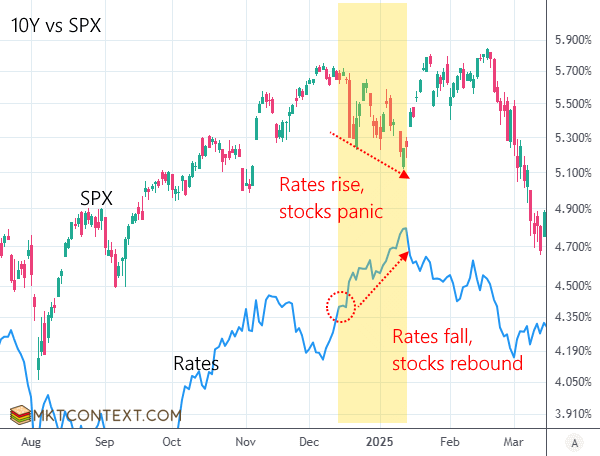
Over the years, the critical threshold migrated higher to 4.5%-4.7%, reflecting stronger economic growth. But the underlying pattern is unmistakable: rate spikes trigger proportional selloffs in stocks, while easing yields alleviate the selling pressure.
The pattern repeated over recent weeks as yields crossed 4.7% (the new threshold), pulling stocks lower. The good news is that rates appear to be forming a local top at 5%, which suggests a rebound in stocks is coming.
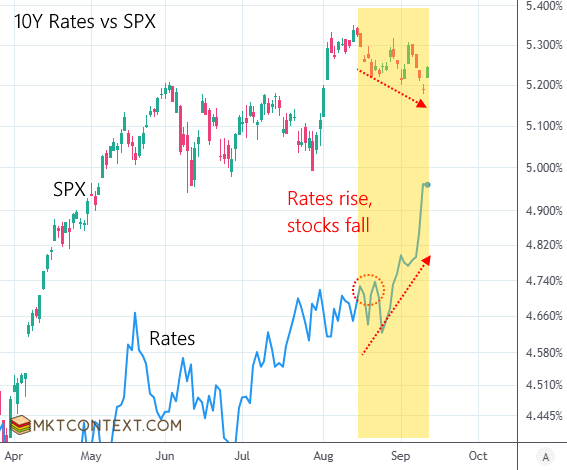
Rate drivers matter: inflation-driven yield spikes often lead to prolonged bear markets (like in 2022). Today’s yields are driven by economic growth with tame inflation, making a broader bear market unlikely.