





In Charts: Communist Cuba's Lights Dim Amid US Oil Blockade
Authored by Sylvia Xu, Andrew Moran via The Epoch Times (emphasis ours),
Blackouts, shortages, fuel rationing, and empty streets now define daily life in Cuba.
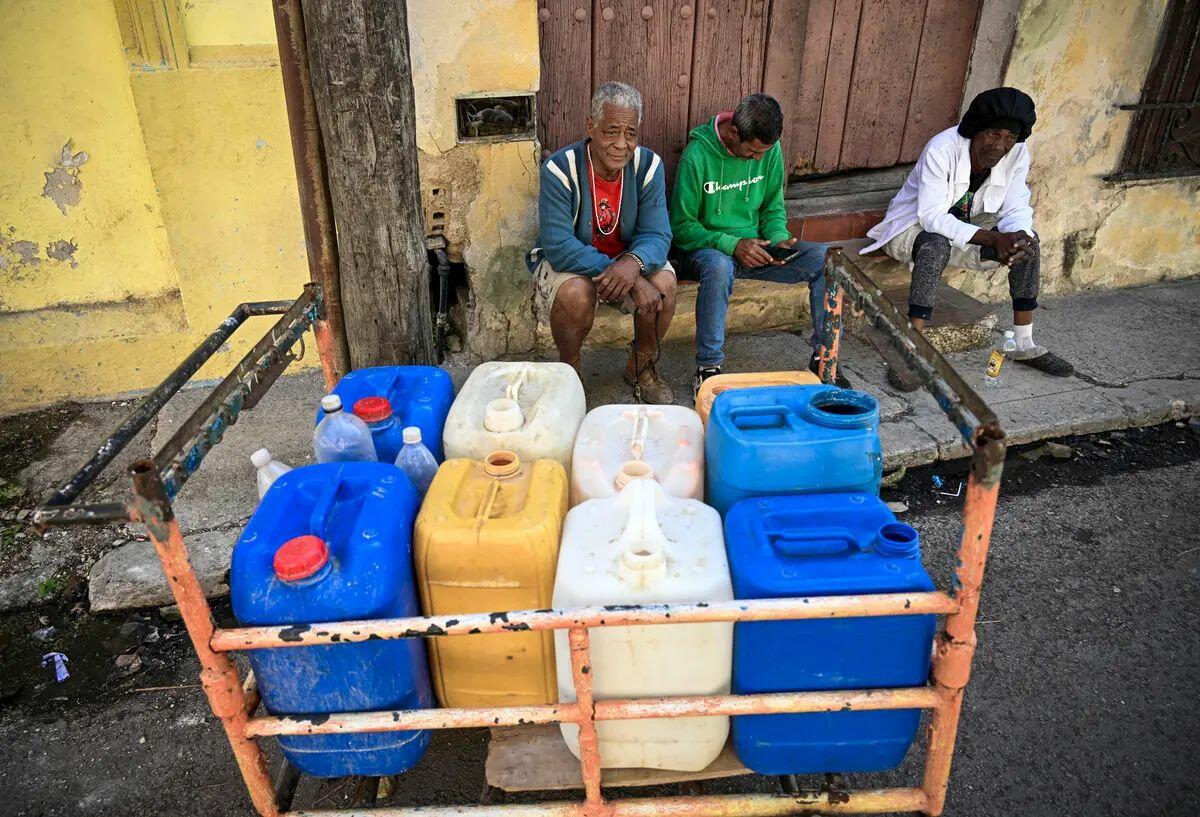
Although the norm for decades, these hardships have reached catastrophic proportions as the island nation suffers its worst energy and economic crisis since the fall of the Soviet Union.
Cuba’s energy infrastructure is collapsing amid restrictions on oil imports from its key ally Venezuela, along with a U.S. military operation that has further disrupted Venezuela’s production and shipping.
With the country’s main supplier impaired, Havana is without the energy needed to keep its grid stable, leading to rolling blackouts and widespread shortages of everything from medicines to food.
The White House aims to push the communist-led nation into talks and concessions. A combination of indirect pressure through increased tariffs on Cuba’s oil suppliers and direct intervention by the U.S. Coast Guard in the region has amounted to an effective blockade of the island.

In February, the United States made a key exception: the sale of fuel directly to private businesses in Cuba. The shipments are small, however, totaling an estimated 30,000 barrels so far this year.
The Trump administration is showing some signs of easing pressure, allowing a Russia-flagged tanker to deliver 730,000 barrels of oil to Cuba on March 31—the island’s first sizable import of crude in three months. Given Cuba’s daily needs of nearly 80,000 barrels per day in 2025, the shipment provided less than 10 days of supply.

Risky Reliance on Imported Oil
Imported oil is the lifeblood of Cuba’s energy infrastructure; net crude oil imports accounted for nearly 60 percent of the country’s total supply as of 2023, according to the International Energy Agency (IEA).
For more than 25 years, those imports primarily came from Venezuela, under a bilateral agreement based on bartering products and services instead of cash payment.
Alternative suppliers have included Mexico (25 percent), Russia (10 percent), and Algeria (4 percent), according to S&P Global Commodities at Sea data.
Even before the current blockade, imports from Venezuela and Mexico were jeopardized by those countries’ struggles to maintain fuel production.
Venezuela’s once-thriving petroleum industry has been crippled by years of mismanagement and sanctions, although the United States is now working with the interim government to rebuild its crumbling energy infrastructure.
Mexico’s state-owned company Pemex ended 2025 with its lowest level of production in 46 years amid operational and financial constraints on the country’s oil sector.
Energy Blockade
Now, U.S. foreign policy is making it even more difficult for Cuba to navigate global energy markets.
Following the U.S. capture of Venezuelan leader Nicolás Maduro on Jan. 3, President Donald Trump persuaded interim leader Delcy Rodríguez to halt oil and gas exports to Cuba.
A small shipment of oil from Mexico—86,000 barrels—arrived in Cuba on Jan. 9.

But crude oil flowing from Mexico dried up after Trump ramped up pressure on Jan. 29 with an executive order imposing tariffs on any country that “directly or indirectly provides oil to Cuba.” On Feb. 2, Trump announced that Mexico would cease oil shipments to Cuba.
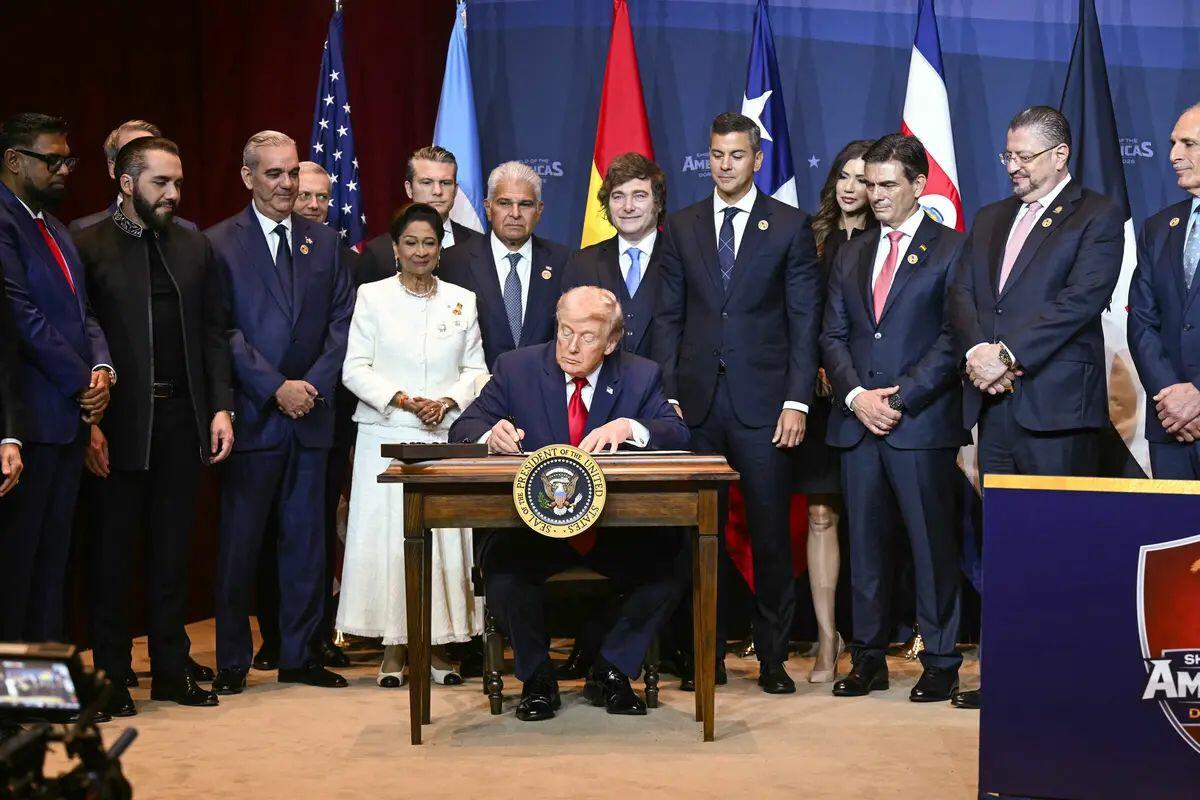
On March 7, Trump told the Shield of the Americas summit: “As we achieve a historic transformation in Venezuela, we’re also looking forward to the great change that will soon be coming to Cuba.
“Cuba is at the end of the line. ... They have a bad regime that’s been bad for a long time. And they used to get the money from Venezuela.”

Cuban leader Miguel Díaz-Canel announced March 13 that the regime had opened talks with the United States, and on April 20, U.S. diplomats set foot on Cuban soil for the first time since 2016.
Alejandro García del Toro, deputy director general in charge of U.S. affairs at the Cuban Ministry of Foreign Affairs, said that “the elimination of the energy embargo against the country was a top priority” for the meetings.
Senate Republicans on April 28 rejected Democratic legislation that would stop the energy blockade of Cuba without congressional approval.
Energy Sources
Over the past two decades, Cuba has attempted to somewhat emulate its neighbors Jamaica and the Dominican Republic, which have managed to offset their petroleum needs with coal, natural gas, and renewables.
The Castro regime in 2005 launched an “energy revolution”—introducing solar and wind, bolstering bioenergy consumption, and expanding distributed generation—in an attempt to diversify the country’s energy portfolio.
However, the leadership failed to address fundamental problems, such as aging Soviet-era infrastructure, underinvestment, reliance on subsidized crude, failure to finance new technologies, and lack of long-term planning and maintenance.
As of 2024, Cuba still relied on oil for 87 percent of its energy, exceeding the Central and South American average of 54 percent, according to a Reuters analysis.
The island nation dedicates more than 80 percent of its oil to electricity generation, according to 2023 data from the IEA. In fact, utilities consume more than double the oil of all other sectors combined, underscoring Cuba’s reliance on petroleum.
Cuba’s thermoelectric infrastructure, loaded with high-sulfur oil, is “old, tired, and highly inefficient,” Jorge Piñon, senior research fellow at the University of Texas at Austin’s Energy Institute, said in a 2023 interview with the Center for Engagement and Advocacy in the Americas.
To revive its power system, Cuba “must decentralize its economic model and resolve its political differences with the United States.”
“Cuba has to abandon its failed Soviet-style centralized command economic model based on state ownership of all means of production and industrial transformation,” Piñon said.
“It should welcome a market economic system in which the decisions regarding investments and production are guided by supply and demand market forces.”
More than 1 million individuals have fled Cuba since 2021. Analysts compare the exodus to that seen during 1994’s Special Period—a time of food scarcity, energy shortages, and agricultural decimation after the demise of the Soviet Union.