


"High Likelihood Of Error": Judge Halts DHS Voter-Fraud Door-Knocks In Nine States
The Trump administration wanted an AI dragnet for weeding out illegals trying to vote - however a federal judge says it's catching legal citizens in the process and has put a stop to it.
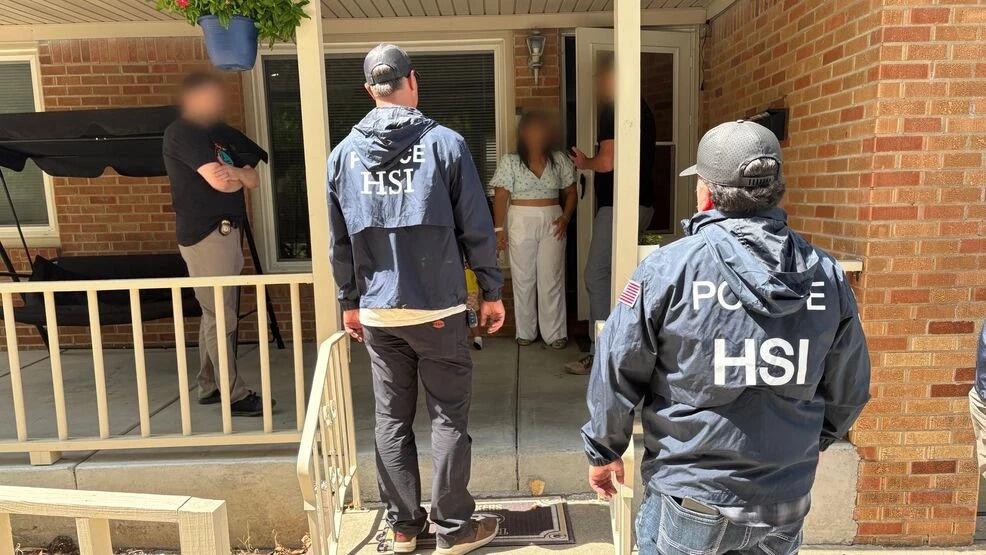
Late Wednesday, U.S. District Judge Araceli Martínez-Olguín of the Northern District of California, a Biden appointee, issued a preliminary injunction barring the Department of Homeland Security from election-related field operations in nine states when the targets are people agents "know, suspect, or should reasonably know or suspect are U.S. citizens." The ruling lands in a week full of voter-roll news. This morning we reported that the LA County registrar admitted it has no way to check the citizenship of 20,000 voters flagged by DOJ, which came on the heels of the Trump admin's lawsuit against the state.
Judge Araceli Martínez-Olguín's core finding on Wednesday, however, was that there was a "high likelihood of error" (California Nurses Association v. Mullin, No. 4:26-cv-10680):
"Even under the best conditions, there is a high likelihood of error in review because there is no federal database containing citizenship status of U.S. residents."
In other words, DHS cannot reliably tell who is a citizen.
Below we walk through how the target lists were built, what the judge actually blocked (it is narrower than the headlines suggest), the administration's case, and why the real deadline is 5pm Friday.
DHS focused their searches on California, Connecticut, Georgia, Missouri, Nevada, New York, Pennsylvania, Washington and Wisconsin. The raw material was 48.2 million records received "through independent sources" the judge deemed to have "questionable provenance," plus 50.6 million records from DOJ. Those came from state voter rolls or, where states refused to share, "unreliable commercial versions." DHS then "enriches" the data through a system called iLab, "using unknown artificial intelligence tools." USCIS staff then had to whittle the list down:
"...a minimum of 40 suspected subject reviews, which requires officers to take no more than twelve minutes to eliminate a person from the target list using the commercial databases."
That said, the ruling doesn't mean DHS can't investigate voter fraud.
"Plaintiffs do not claim, nor does the Court find, that it is unlawful for federal officials to undertake investigations into unlawful voting in federal elections."
The order runs until 8:00pm on Nov 3 or when polls close.