





Nearly Half Of NYC Homeless Deaths Due To Drugs Or Alcohol: Study
Nearly half of all deaths among New York City's homeless population in the most recent fiscal year were connected to drug use or alcohol abuse, according to a new city report.
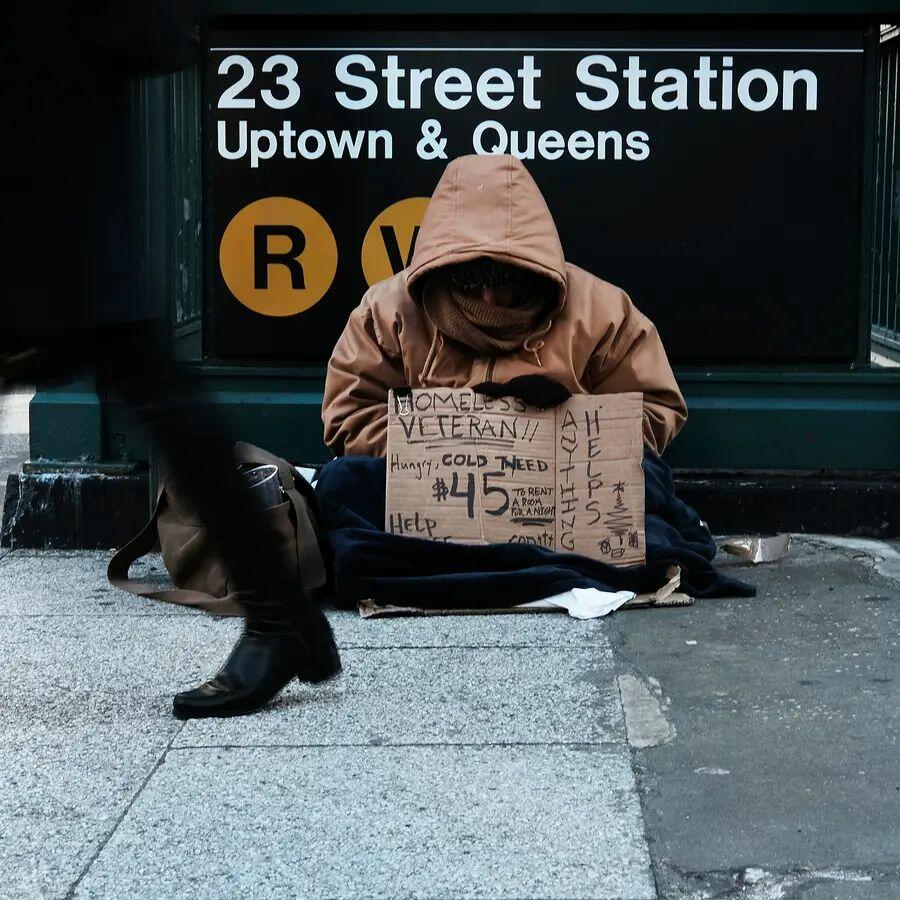
Of the 634 people experiencing homelessness who died between July 1, 2024, and June 30, 2025, 285 lost their lives to drug addiction, overdoses, or alcoholism. The figures come from the annual mortality report jointly issued by the city's Department of Health and Mental Hygiene and the Department of Social Services/Homeless Services.
Drug-related causes alone accounted for 251 deaths, or 40 percent of the total - still the leading cause of death among this population. Alcohol misuse or dependence contributed another 34 deaths (5 percent). Together, substance-related deaths made up roughly 45 percent of the total, the NY Post reports.
The report covers deaths that occurred in temporary shelters, on the streets, in the subway system, in abandoned buildings, and in other locations. Fifty-two percent of those who died were classified as unsheltered; 48 percent were living in a homeless facility at the time of death. Most (58 percent) died in a hospital. Among unsheltered individuals, 22 percent died outdoors.
Other leading causes of death included heart disease (78 deaths, 12 percent), accidents excluding drug overdoses (60 deaths, 9 percent), and cancer (23 deaths, 4 percent). Additional figures included 18 suicides, 15 deaths from hypothermia or cold exposure, 15 subway-related accidents, 14 motor-vehicle accidents, and 11 homicides. A small number of deaths involved toxic substances, heat exposure, or falls. In ten cases, the manner of death could not be determined.
The overall number of deaths declined nearly 18 percent from the previous year, when 770 people experiencing homelessness died. Drug-related deaths specifically fell 28 percent, from 348 in fiscal year 2024 to 251 in fiscal year 2025. Despite the drop, substance use remained the dominant cause of mortality, consistent with both citywide and national patterns.
City officials noted that the true toll is likely higher. Thousands of migrants housed in temporary facilities operated by other agencies during the border crisis were not fully included in the data-matching process, meaning some deaths may have gone uncounted as homeless fatalities.
The report is the 20th in the annual series required by law. Authors said the data help identify pressing health risks for a highly vulnerable population that faces elevated rates of poorly controlled physical and mental health conditions, compounded by poverty, housing instability, and other social stressors.
As of early August 2026, the city's shelter system housed roughly 83,200 people - down from a peak above 100,000 during the height of the migrant influx. The city has extended a $1.86 billion contract to continue using commercial hotels as emergency shelter for the next three years.
