


Supreme Court Rejects Trump Bid To End Hormone Treatments For Transgender Federal Inmates
Authored by Matthew Vadum via The Epoch Times,
The Supreme Court on Oct. 21 declined to allow the Trump administration to immediately enforce a policy that would have curtailed transgender treatments in federal prisons.
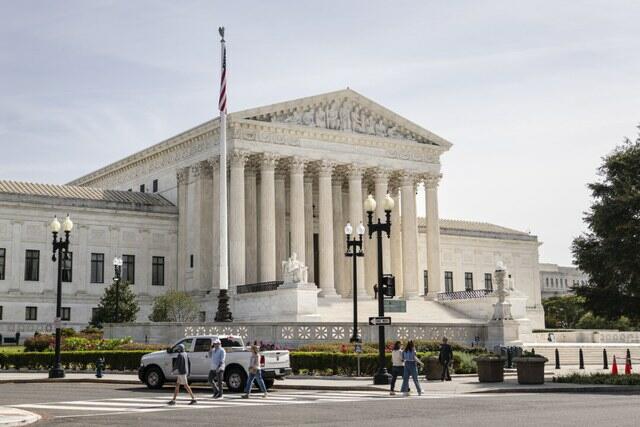
The decision took the form of an unsigned order in Trump v. Kingdom. The court did not explain its ruling. Justices Clarence Thomas and Samuel Alito dissented from the order but did not explain why.
The Trump administration on Sept. 28 asked the Supreme Court to pause a nationwide injunction forcing the Bureau of Prisons (BOP) to keep providing hormone treatments and related services to inmates diagnosed with gender dysphoria.
Solicitor General D. John Sauer filed the emergency application that asked the justices to put on hold a federal district judge's order that blocks a BOP policy that shuts down transgender surgeries, hormone treatments, and social accommodations such as makeup and wigs.
The federal government says the policy, which is known as Program Statement 5260.01, is necessary for prison security.
The lead plaintiff in the underlying class action is Alishea Sophia Kingdom, a man who identifies as female.
Washington-based U.S. District Judge Royce Lamberth blocked the policy in June. He issued a written opinion saying that the program statement "amounts to arbitrary and capricious agency action" and that the plaintiffs were likely to succeed on the merits of their claim under the Administrative Procedure Act.
The act is the federal law that establishes the rules for how agencies make and change policies. When an agency reverses course, a court can block the action if it believes the explanation falls short of the statute's requirements.
Lamberth directed the BOP to keep providing hormone treatments and related accommodations to inmates who have a gender dysphoria diagnosis and to inmates who later receive one. A panel of the U.S. Court of Appeals for the District of Columbia Circuit later declined to stay Lamberth's order.
Sauer said Lamberth's ruling "denied prison administrators the substantial deference they are due." If the preliminary injunction remains, it interferes with administrators' expert judgment about how to administer federal prisons, he said.