The Bears Have All The Evidence. Except Price
Rates are screaming, equities are refusing to listen
The 10-year is technically stretched, bond vol has exploded and tech CDS are flashing stress, yet NDX remains remarkably resilient. Part of the answer may be that the rates shock is being driven by growth and real yields rather than inflation, while the AI demand story continues to hold up.
The disconnect is getting extreme. For now, the tape still wins, but the cost of hedging that resilience remains unusually cheap.
Extreme
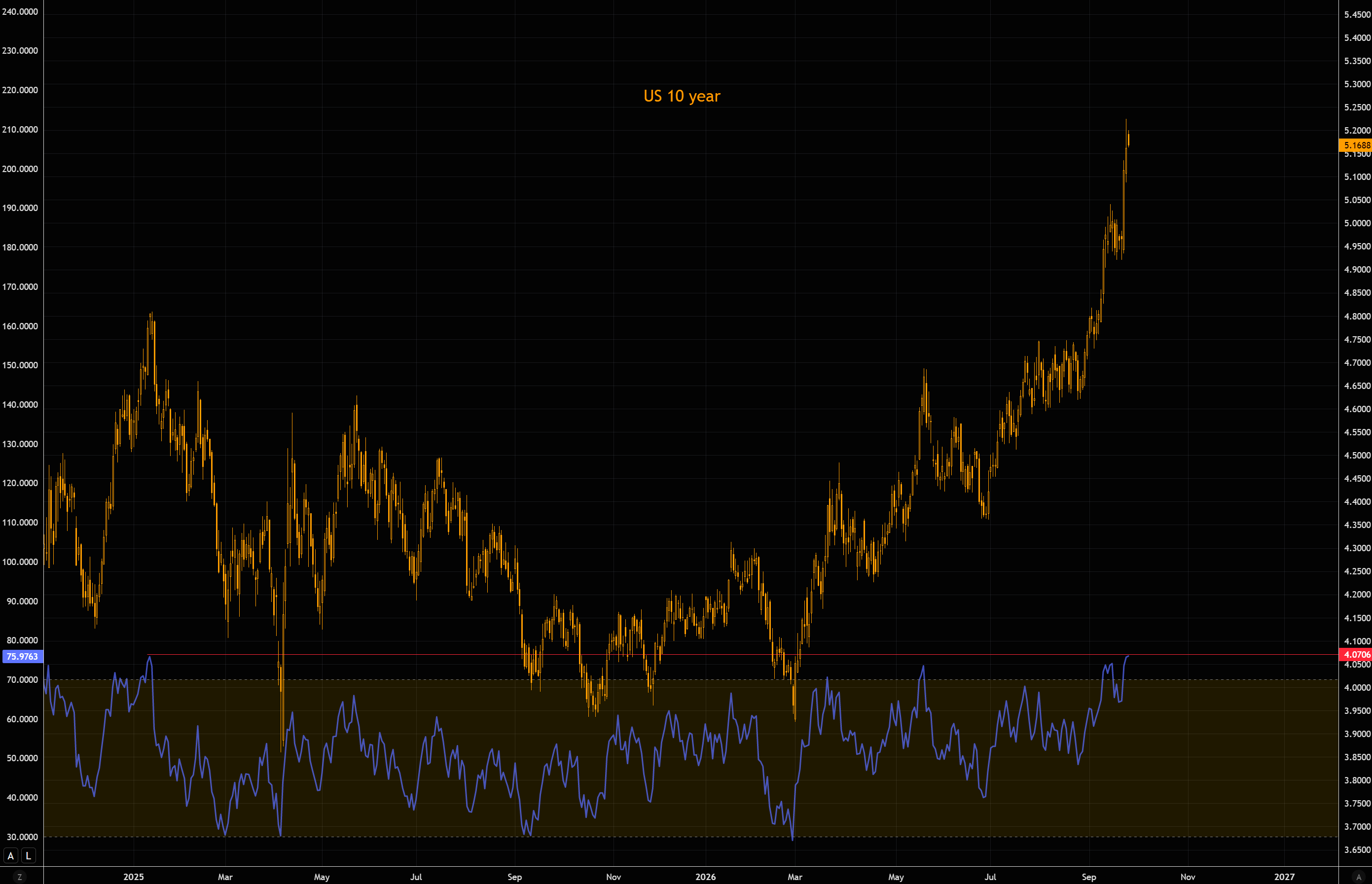
The rates surge has pushed the 10-year yield’s RSI to levels we haven’t seen in a long time. The macro backdrop is different, but RSI was similarly stretched around the local yield high in January 2025.
Thursday’s late move had the feel of someone big getting stopped out. That is a warning against chasing yields higher here, not a call that the top is in. More here.
Source: LSEG Workspace
The great vol dislocation
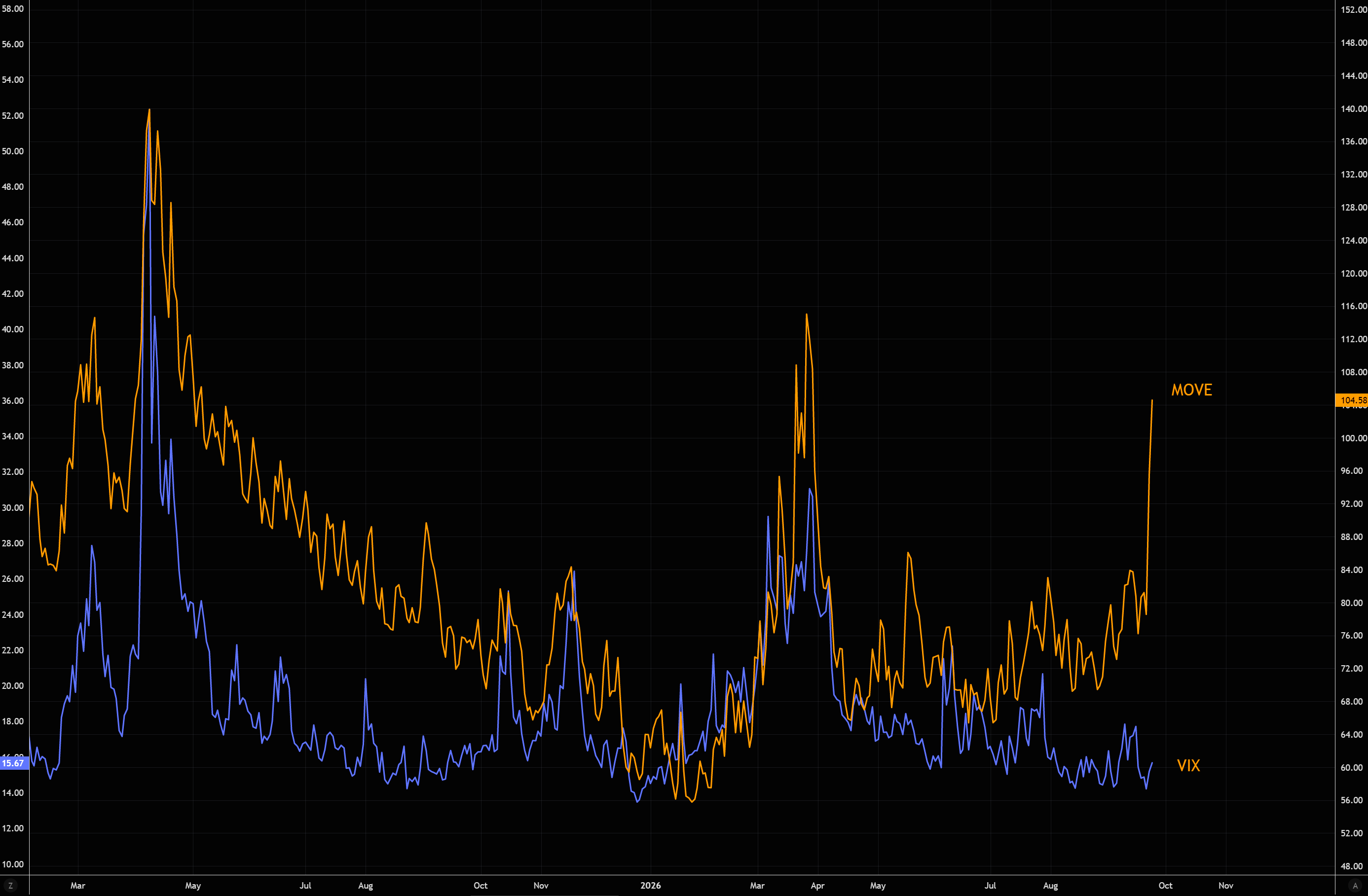
Bond vol is screaming while VIX is barely responding. The MOVE–VIX gap has blown out to extreme levels. One market is pricing a shock; the other is still trading as if it can be contained.
Source: LSEG Workspace
Remember CDS tech spreads?
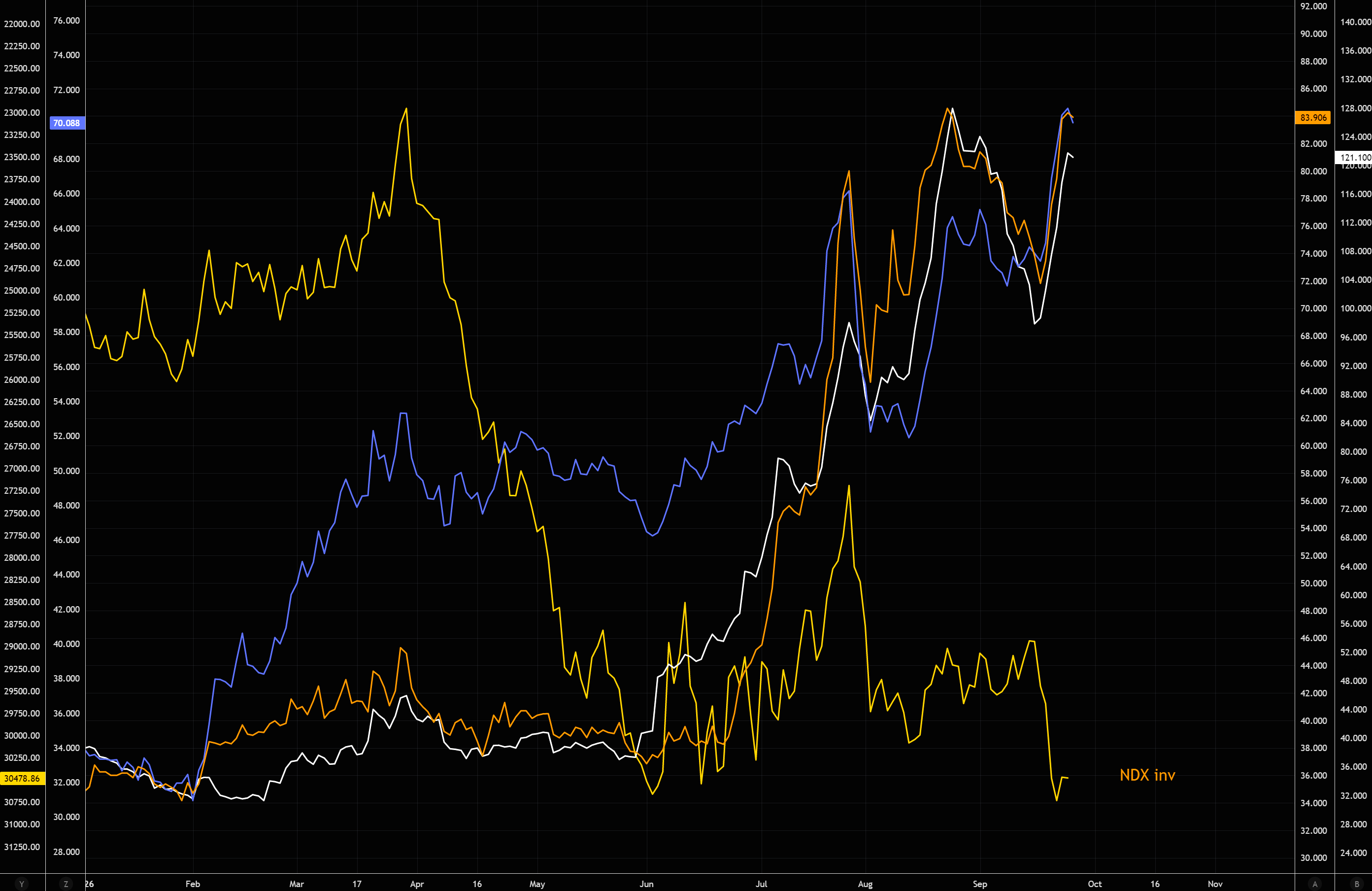
Several of the "hot" tech CDS spreads are back to recent highs. NDX cared about this back in July. This time around, the broader NDX simply does not care. More here.
Source: LSEG Workspace
Why stocks haven't blinked
Jim Reid at Deutsche Bank points out that almost all of this year’s rise in the 10-year yield has come from real yields, with little change in inflation expectations. His read is that bonds are repricing growth and the path for rates more than an inflation shock.
Our equity read: stronger growth may be helping SPX absorb higher yields through earnings. But that is an index-level story. Russell’s weakness shows that more rates-sensitive stocks are already feeling the squeeze. If real yields stay up here, the gap between calm equities and panicked bonds becomes harder to ignore.
Source: DB
The $1.4 trillion question
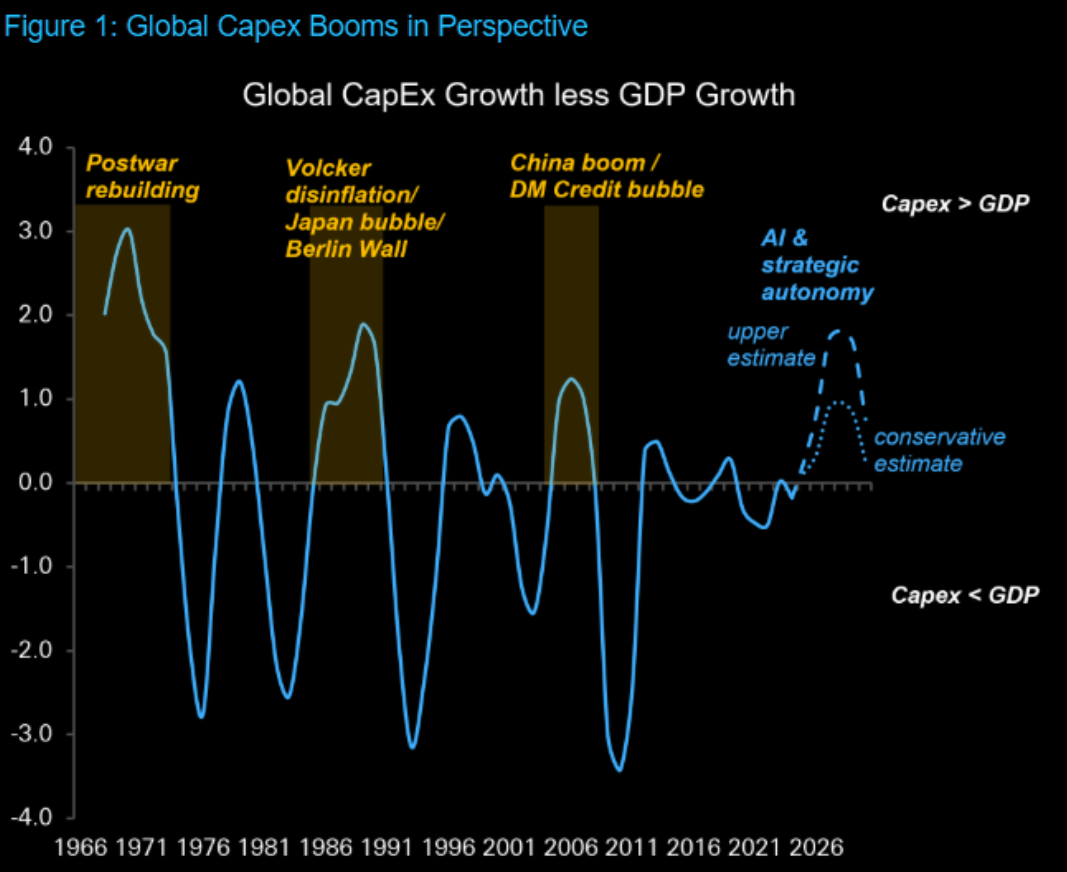
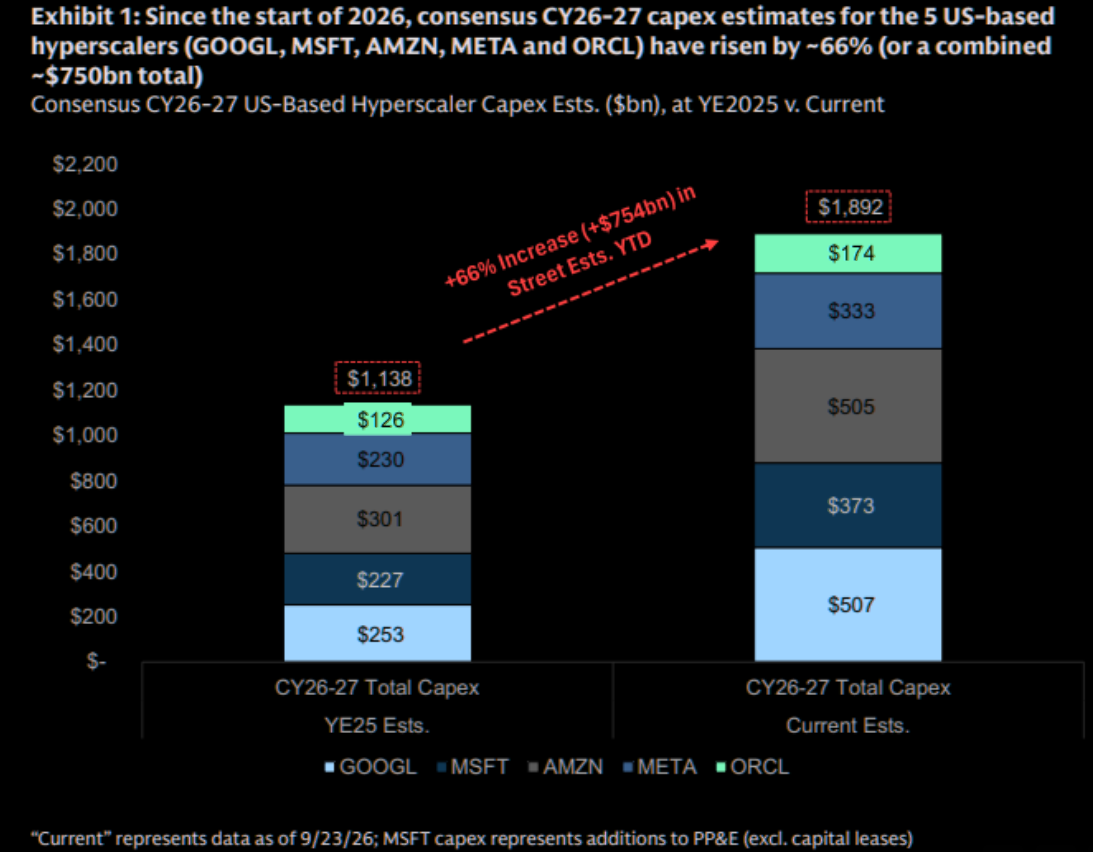
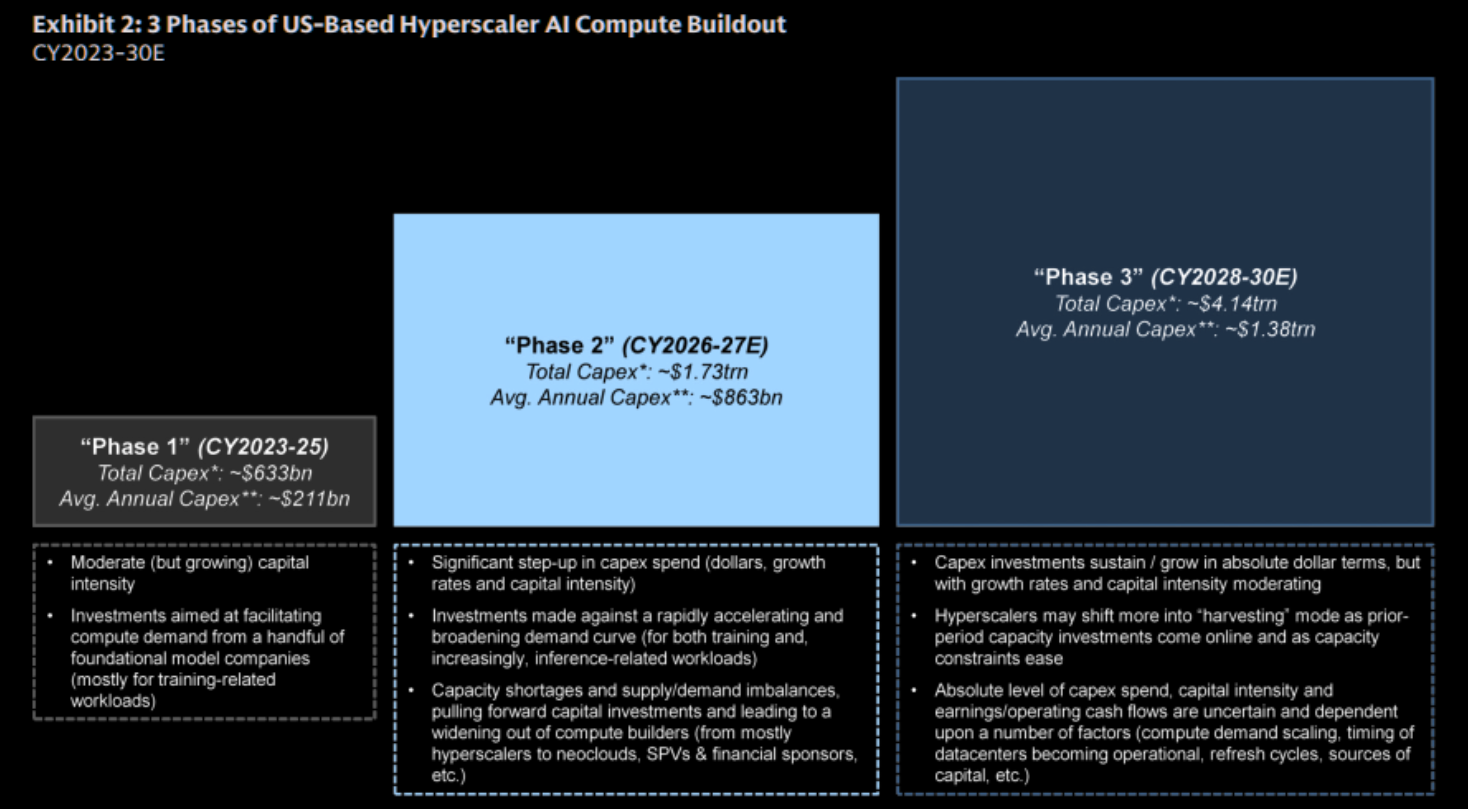
AI capex is getting so large that the debate is shifting from how much will they spend? to can they actually earn a return on it?
GS’s Eric Sheridan estimates Alphabet, Amazon, Microsoft, Meta, Oracle and SpaceX need to generate a combined $1.42 trillion of cumulative revenue in 2028–30 to earn a 15% ROIC on their 2026–27 AI buildout.
That sounds enormous. The next number makes it look less crazy.
Source: GS
The backlog is already there
The three big public cloud players, Amazon, Microsoft and Alphabet, already have a combined $1.69 trillion backlog.
GS calculates they need to convert only around 59% of that existing backlog into future revenue to clear the 15% ROIC hurdle on their AI investments.
The AI capex debate looks rather different when much of the required demand is already sitting in the order book. More here.
Source: GS
Did anyone say resilient stocks?
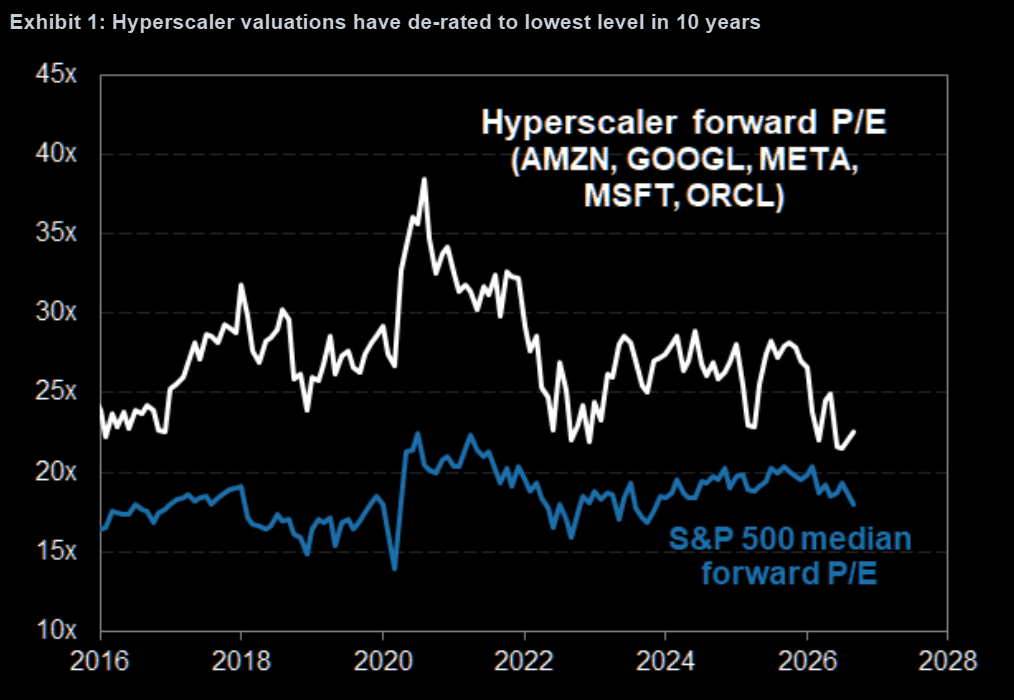
Investors may be looking beyond the original AI winners, but GS argues it is too early to move on. Hyperscaler earnings have caught up with performance, leaving valuations much more reasonable than you might think.
Source: GS
There is only vacuum above
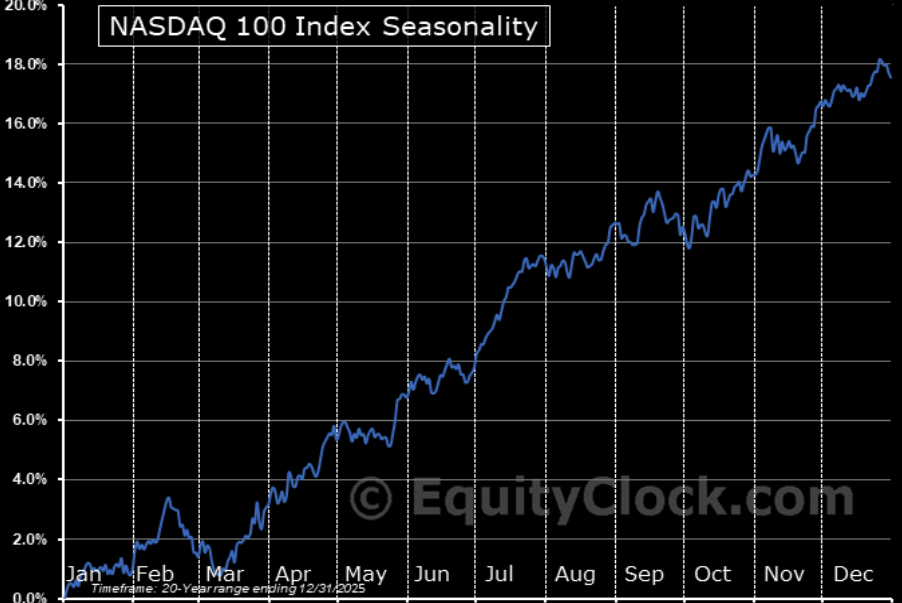
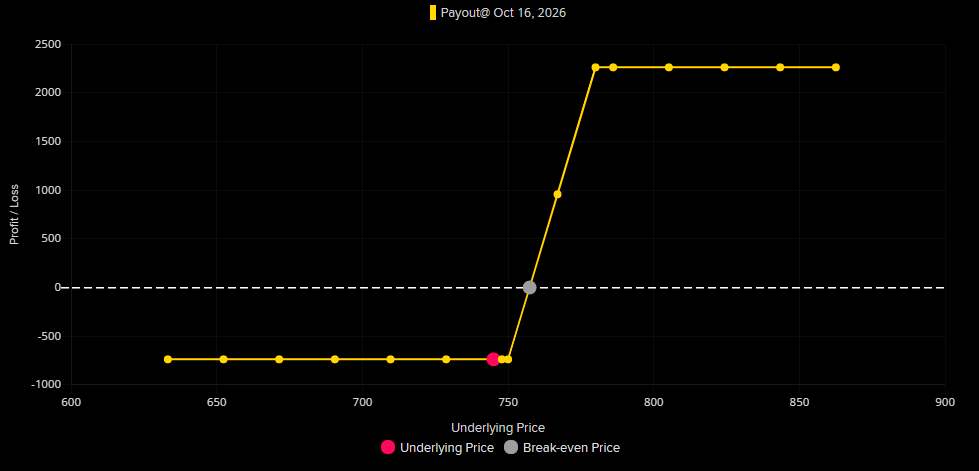
NDX seasonality basically starts now. Given the vol reset, playing a possible upside breakout/pain trade via call spreads looks attractive to us.
If the breakout comes, we suspect it could be violent, which argues for relatively short-dated strategies. The second chart shows the QQQ Oct 750/780 call spread, offering +4x max payout.
Source: Equity Clock
Source: LSEG Workspace
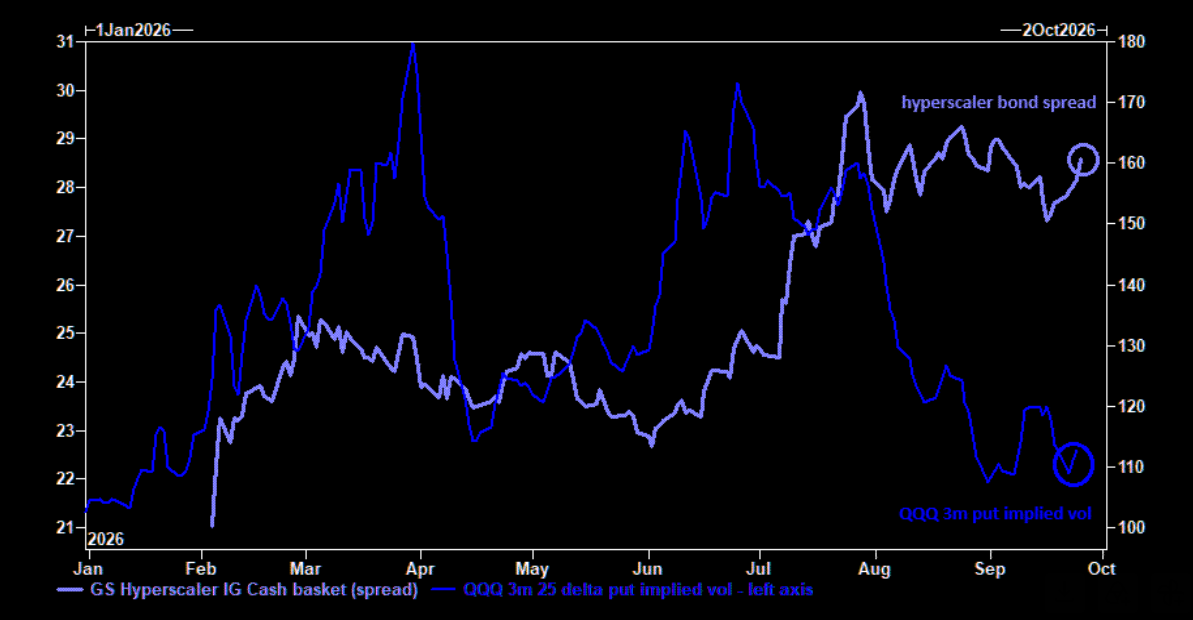
Cheap hedge
Not a clean arb, but the relative-value setup is getting hard to ignore. Hyperscaler CDS spreads have blown out relative to QQQ put vol.
Credit is pricing much more AI stress than equity options. We like to listen to the tape, and the tape remains resilient. Run the longs, hedge them with cheap QQQ puts.