





Russia Expels Hungarian Diplomats In Stunning Break With Orban Era
Over several years of the Ukraine war, Russia and various European countries have escalated their diplomatic war - amid parallel 'spy wars' and mutual accusations of sabotage efforts - which has resulted in tit-for-tat expulsions of diplomats.
A big exception to this trend until now was Hungary under Viktor Orbán. Having served as the Prime Minister of Hungary for a near 20-year total period across two separate periods, Orbán throughout the years of the Ukraine war until his defeat by Péter Magyar was a thorn in the side of the EU for his openness to Moscow and condemnation of NATO's deepening role in propping up the Zelensky government.
Prime Minister Magyar, leader of the pro-European conservative Tisza Party, has been in office only five months and already he has drastically shifted the country on Moscow relations.
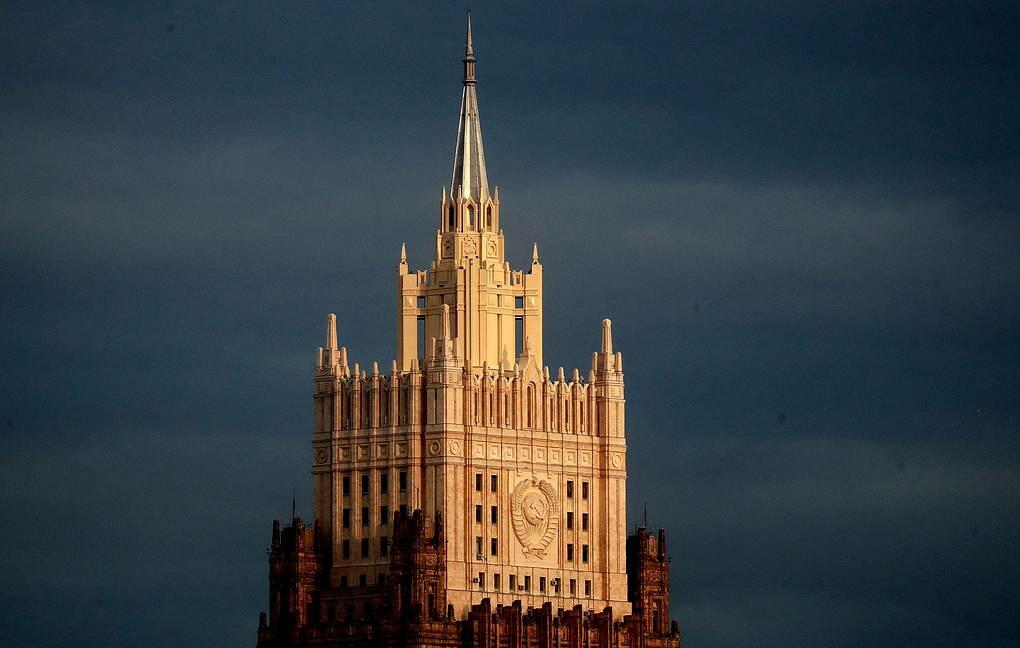
On Thursday Russia’s Foreign Ministry said it has moved to expel a group of Hungarian diplomats in a tit-for-tat action.
Starting Sept.8, Budapest under Magyar expelled ten Russian diplomats who were suspected of spying activities. Moscow in the wake of this lodged a formal and "decisive protest" over the "groundless and openly unfriendly" expulsion.
Such words would have been unthinkable under Orbán. And now, as state media confirms, several Hungarian diplomats have been sent packing:
Hungarian Charge d’Affaires in Russia Gabor Gergich, who was summoned to the Russian Foreign Ministry, was informed that, as a retaliatory measure, a group of employees of the Hungarian Embassy in Moscow and Hungarian Consulates General in St. Petersburg and Kazan must leave Russian territory, the Russian Foreign Ministry said in a statement.
"The Hungarian diplomat was informed that, as a retaliatory measure, a group of employees of the Hungarian Embassy in Moscow and the Consulates General of Hungary in St. Petersburg and Kazan must leave Russian territory within two weeks," the ministry said.
As for the new era of Magyar he early on made clear he would not block a €90 billion EU loan to Ukraine which Orbán originally vetoed, resulting in a collective sigh of relief among Eurocrats in Brussels.
Beyond the Ukraine funding veto, it was Orbán's refusal to submit to open borders and mass immigration that caused constant conflict with the EU.
Things are rapidly changing on multiple diplomatic fronts:
The first visit by an Estonian Foreign Minister to Hungary in seven years. 🇭🇺🇪🇪
— Anita Orban (@_OrbanAnita) October 1, 2026
Today, we are giving fresh momentum to our bilateral relations. Welcome to Budapest, dear @Tsahkna! pic.twitter.com/LXsidRg9e3
He was frequently referred to by the political left as a "dictator" and a "fascist" in part because of his strict border policies (even though he is voluntarily leaving office after losing the election, which is not the behavior of a dictator)