





From Force Majeure To Forced Haulage: Oracle Is Now Trucking Natural Gas To Its AI Data Centers
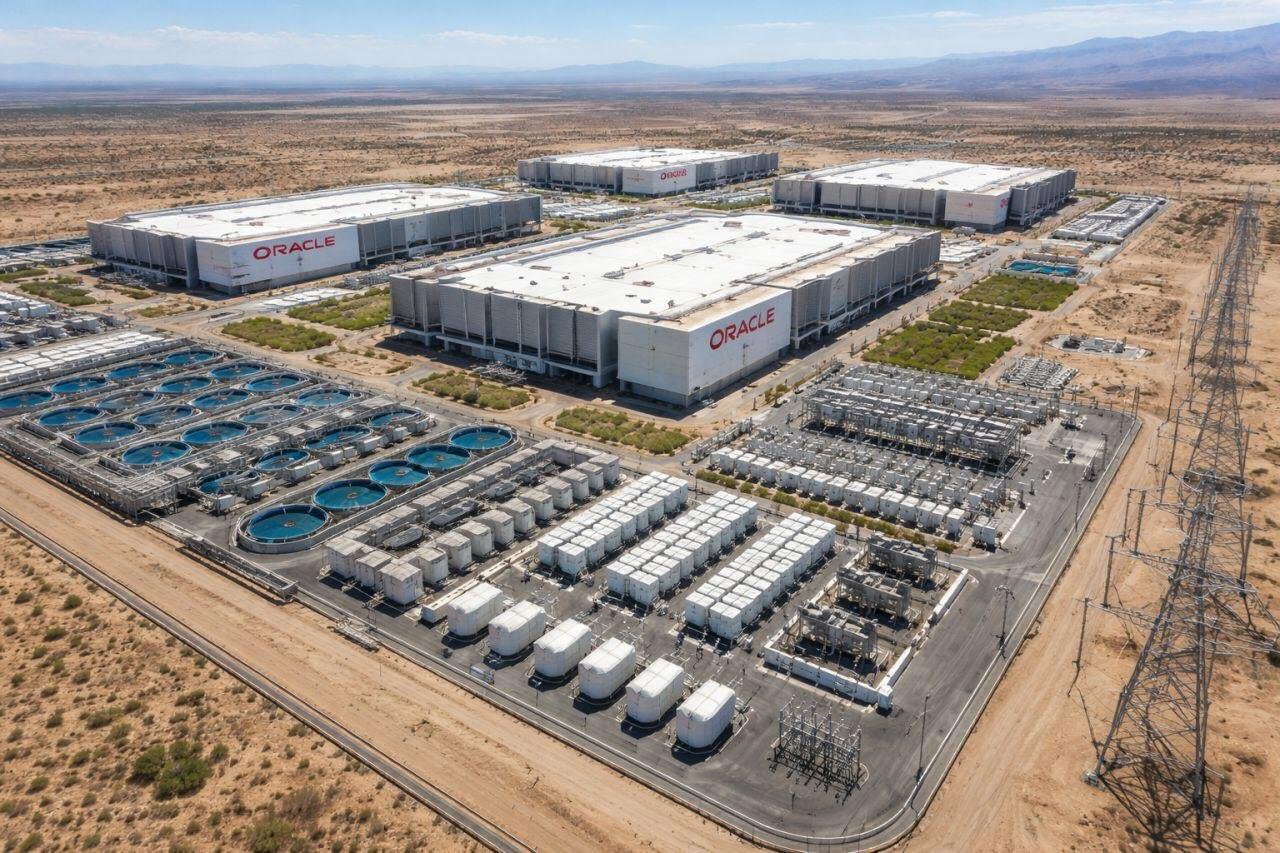
Two weeks ago, Oracle told the world that Project Jupiter, its massive 2.45GW New Mexico mega-campus for OpenAI, was "on schedule." It also sent a force majeure notice to the developer.
Today we found out how it plans to square that circle: with a lot of trucks.
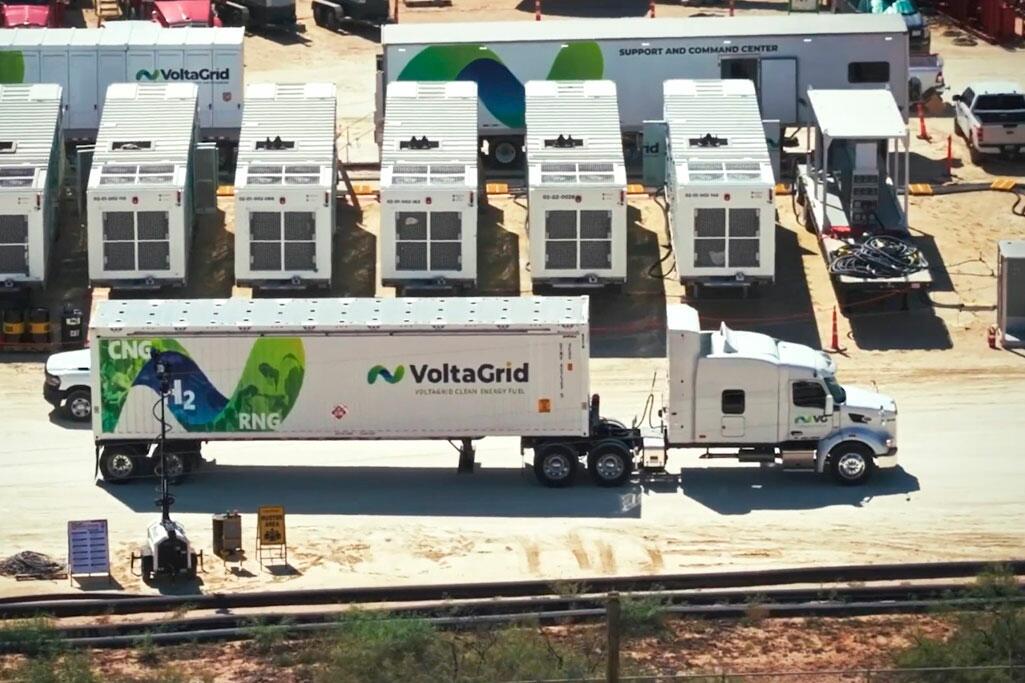
According to Bloomberg, Oracle has been quietly keeping several data centers on track by hauling compressed natural gas (CNG) by road straight to the server farms, and is now weighing the same stopgap for Project Jupiter, where the gas pipeline that is supposed to feed the campus is running late and threatening the timeline. The plan would let Oracle bring the early phases online before the pipe enters service.
Oracle shares slid about 5.5% on the report...

.... while Bloom Energy (BE), which happens to have a 2.4GW fuel cell contract for Project Jupiter (fuel cells which, last we checked, run on natural gas), tumbled 8%

Regular Readers Will Recall...
Back on Sept 24, we reported that Oracle had sent a force majeure notice to Blue Owl's Stack Infrastructure unit over Jupiter, citing potential power delays, and that Oracle and Bloom immediately launched a reassurance tour insisting everything was fine. Our take at the time: companies don't issue force majeure notices because everything is going fantastically.
Today's story suggests we were, if anything, too polite.
The root of the problem is a pipeline. Energy Transfer (ET) had to reroute the line that will ultimately power Jupiter after state regulators rejected the proposed route (per DCD, the rejection came in July after an initial application was denied in March), pushing the in-service date from this summer to next year. Meanwhile, Oracle has also put out an RFP for 2GW of new renewables in New Mexico, which tells you just how many backup plans the "on schedule" project now requires.
The "Virtual Pipeline"
And it's not just New Mexico. Per Bloomberg, trucked gas kept an Oracle data center outside Salt Lake City moving for more than a year while it waited for its pipeline, with Superior Plus's Certarus doing the hauling. Oracle is also using it for initial work at its OpenAI campus in Shackelford County, Texas, where VoltaGrid is the supplier.
A small cottage industry of CNG haulers has spotted the opportunity and is now pitching "virtual pipeline" services to hyperscalers desperate to start generating compute before the actual pipes show up. Oracle, for its part, seemed thrilled, publicly thanking VoltaGrid on X for its "cost-effective power solutions" shortly after Bloomberg came asking questions.
Shoutout to the Voltagrid team for finding cost-effective power solutions to ensure our customers can access OCI capacity on schedule. We're moving at the speed of AI, which requires innovation, flexibility, and an unwavering commitment to success.
— Oracle (@Oracle) October 8, 2026
About that "cost-effective" part.
East Daley Analytics' Jack Weixel told Bloomberg that once you add up labor, specialized equipment and the diesel to move the trucks themselves, delivered CNG costs roughly four times the price of gas at a major pipeline hub. The process is about as elegant as it sounds: gas is pulled off a pipeline, compressed into a trailer, driven for hours to the site, then decompressed to feed the generators. Even a modest AI data center needs trucks arriving constantly around the clock. Diversification at its finest.
There is a reason this approach has historically been reserved for remote mines and oil rigs far from the grid, not for the crown jewels of the AI buildout.
The Napkin Math Gets Ugly Fast
The real question is scale. SemiAnalysis energy analyst Ellie Holbrook told Bloomberg that if Oracle ran just 100MW of Jupiter (roughly 4% of its eventual 2.45GW) on trucked gas, each large trailer would supply only about 40 minutes of electricity.
Let's do the (approximate) math:
- 100MW at 40 minutes per trailer = ~36 trailers a day, or one every 40 minutes, 24/7/365.
- Scale that to the full 2.45GW and you need roughly 880 trailers a day, or one pulling up to the gate every 90 seconds or so... forever.
Put differently, trucking can get the lights on in the lobby, not power a gigawatt-scale AI campus. It's a bridge, and a very expensive one, to a pipeline that New Mexico regulators have already sent back to the drawing board once.
And Oracle can hardly afford expensive bridges right now: as Bloomberg notes, the company's free cash flow is negative and expected to stay that way until more of its AI data centers are completed, while it has staked billions (and its reputation) on delivering capacity for OpenAI on time. Paying a 4x premium on fuel to keep the schedule intact is exactly the kind of cost that never shows up in the investor-day slides, right up until it shows up in the margins.
Bottom Line
As we have argued for a long time, the binding constraint on the AI boom isn't GPUs, it's power, and the "solution" of building on-site gas generation only works if the gas actually arrives. When the gas comes by truck at four times the price, the "behind the meter" model starts to look a lot like "behind the 18-wheeler."
Oracle insists Jupiter remains on schedule, and maybe it does. But when the fallback plan for a $165 billion, 2.45GW campus is an around-the-clock convoy of CNG trailers, the more likely outcome is the one hinted at by the force majeure notice: delays, higher costs, or both, with Bloom, Blue Owl and the rest of the Jupiter financing chain along for the ride.
Then again, nothing says "AI supercycle" quite like a trucking dispatch schedule.